




Top 5 Flat Roof Problems in Boston Buildings
Reading Time: 3 minutes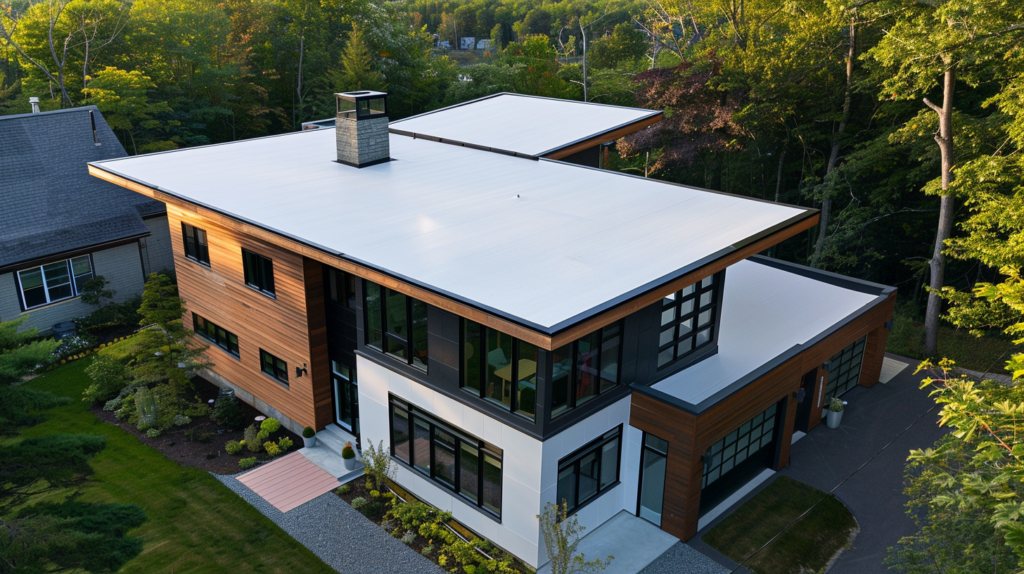
Introduction
Flat roofs in Boston buildings face constant stress from weather, design limitations, and aging materials.
At ID Flat Roof, we inspect roofs across Massachusetts daily — and the same problems appear again and again.
This guide breaks down the top 5 flat roof problems in Boston, based on real projects, along with practical solutions.
Why Flat Roof Problems Are Common in Boston
Massachusetts conditions create a challenging environment:
- freeze-thaw cycles
- heavy rain and snow
- temperature fluctuations
- ponding water
👉 These factors accelerate wear and expose weaknesses in roofing systems.
Problem #1: Ponding Water
One of the most common and damaging issues.
Why it happens:
- poor slope
- blocked drains
- structural settling
Why it’s a problem:
- increases leak risk
- accelerates membrane deterioration
- adds structural load
Solution:
- improve drainage system
- correct slope
- in some cases, redesign roofing system
👉 Ignoring ponding water almost always leads to bigger problems.
In commercial buildings around Medford, our team at ID Flat Roof frequently sees how minimal slope combined with heavy spring rains turns minor water pooling into widespread membrane stress within just a few seasons.
Problem #2: Recurring Leaks After Repairs
Many Boston property owners deal with leaks that keep coming back.
Why it happens:
- temporary fixes instead of real solutions
- hidden moisture
- system-wide deterioration
Why it’s a problem:
- increasing repair costs
- interior damage
- frustration and downtime
Solution:
- full inspection
- identify root cause
- consider system-level repair or replacement
Problem #3: Seam Failure (Especially Rubber Roofs)
Seams are one of the weakest points in many flat roofing systems.
Why it happens:
- glued seams degrade over time
- exposure to weather weakens adhesion
Why it’s a problem:
- water enters through seams
- leaks spread under the membrane
Solution:
- repair localized issues if early
- replace aging systems when seams fail widely
👉 Welded seam systems significantly reduce this risk.
Problem #4: Overheating of Black Roofs in Summer
This is one of the most underestimated problems in Boston.
Why it happens:
- dark roofing materials absorb heat
- surfaces can reach very high temperatures
Why it’s a problem:
- increases cooling costs
- accelerates material aging
- creates thermal stress on the roof
👉 In summer, black roofs can become extremely hot, especially on commercial buildings.
Solution: Switch to Reflective Roofing (PVC)
Light-colored PVC roofing offers:
- high solar reflectivity
- reduced heat absorption
- improved energy efficiency
- lower cooling costs
👉 This is why many Boston property owners upgrade to white PVC systems.
+1 (978) 381-3838
Problem #5: Aging Roof Systems
Many buildings in Boston have roofs that are:
- 15–25+ years old
- patched multiple times
- nearing end of life
Why it’s a problem:
- increasing failure rate
- higher maintenance costs
- risk of major leaks
Solution:
- evaluate full system condition
- plan replacement before failure
Real Pattern We See in Boston Buildings
Across many projects:
- small issue appears
- temporary fix is applied
- more problems develop
- repairs increase
- system fails
👉 Early intervention and proper planning can prevent this cycle.
Why PVC Roofing Solves Multiple Problems at Once
Many of these issues are interconnected.
PVC roofing helps address them because:
- welded seams reduce leak risk
- strong performance in ponding water
- reflective surface reduces overheating
- long lifespan (20–30+ years)
- lower long-term maintenance
👉 Instead of fixing problems individually, PVC often solves them at the system level.
As our crew at ID Flat Roof often points out: “You don’t fix five separate leaks by patching five spots. You fix them by upgrading the system.”
FAQ
What is the most common flat roof problem in Boston?
Ponding water and recurring leaks are among the most common issues.
Why do black roofs get so hot?
They absorb sunlight, increasing surface temperature and heat transfer into the building.
How can I reduce heat on my flat roof?
Switching to a reflective material like white PVC can significantly reduce heat absorption.
When should a flat roof be replaced?
When it shows signs of aging, frequent leaks, or widespread damage.
Conclusion
Flat roof problems in Boston are predictable — and in most cases, preventable.
Understanding the most common issues helps property owners make smarter decisions, reduce long-term costs, and avoid emergency situations.
At ID Flat Roof, we focus on solving the root causes — not just the symptoms — with systems designed for Massachusetts conditions.
Stop Managing Leaks. Start Preventing Them.
If flat roof issues are taking up your time and budget, it’s time to look beyond temporary fixes. Call ID Flat Roof for a thorough, no-pressure evaluation focused on long-term reliability.

Denis is the driving force behind ID Flat Roof, a leading company in Boston specializing in flat roof repair and installation for over 20 years.
Expertise:
Denis excels in PVC, TPO, EPDM, and rubber roofing. His meticulous approach ensures quality and customer satisfaction.
Innovation:
Denis incorporates cutting-edge solutions like skylights and solar PV roofing.