




Commercial Roofing Contractor in Boston, MA
Repair, replacement and maintenance of flat and low-slope roofs on offices, warehouses, retail and multi-family buildings in Boston and across Massachusetts. Written scope and price before work begins, and work planned around your business.
+1 (978) 381-3838
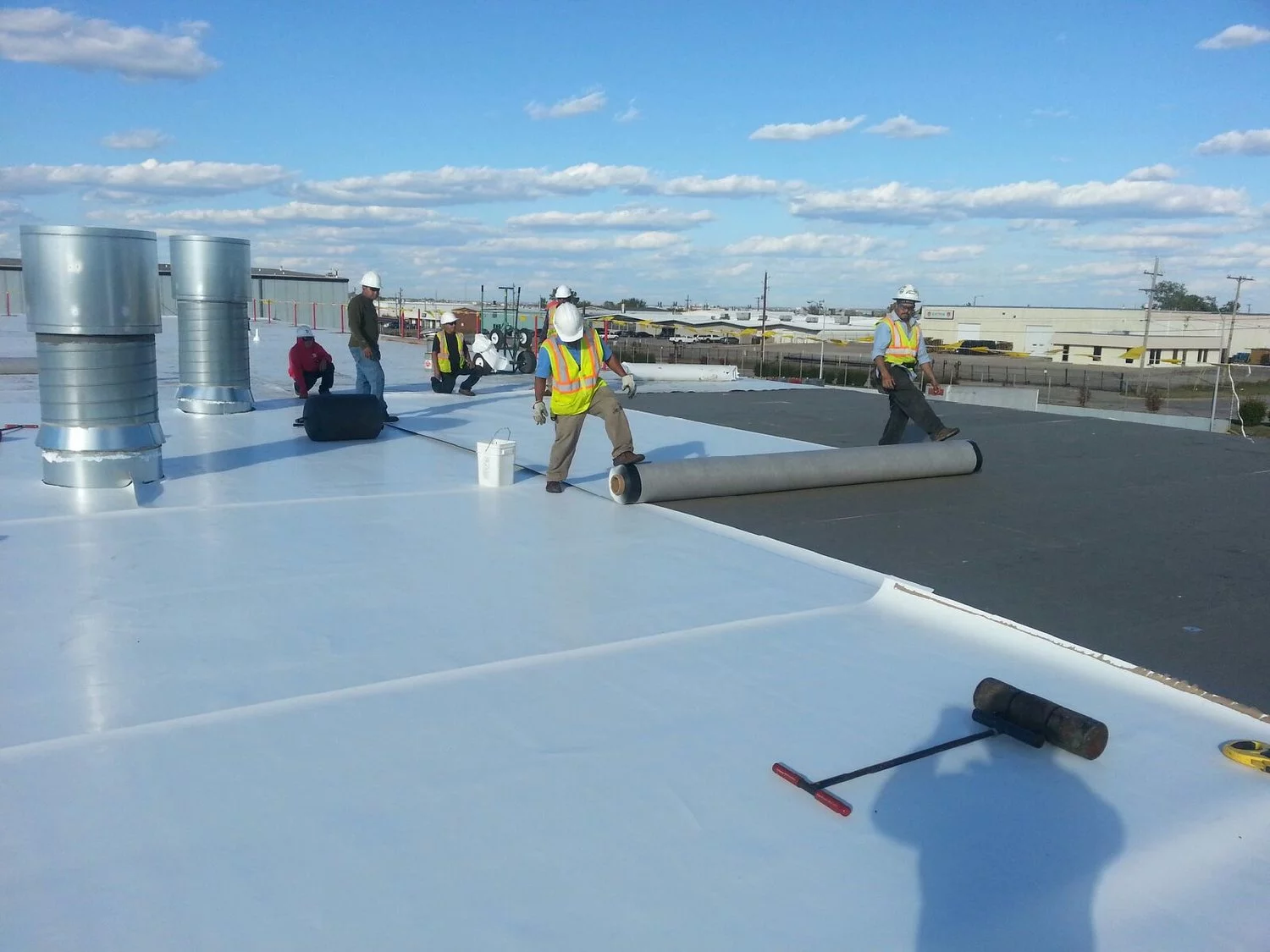
ID Flat Roof is a family-owned company with 24+ years of successful experience and a wide range of commercial flat roofing services.
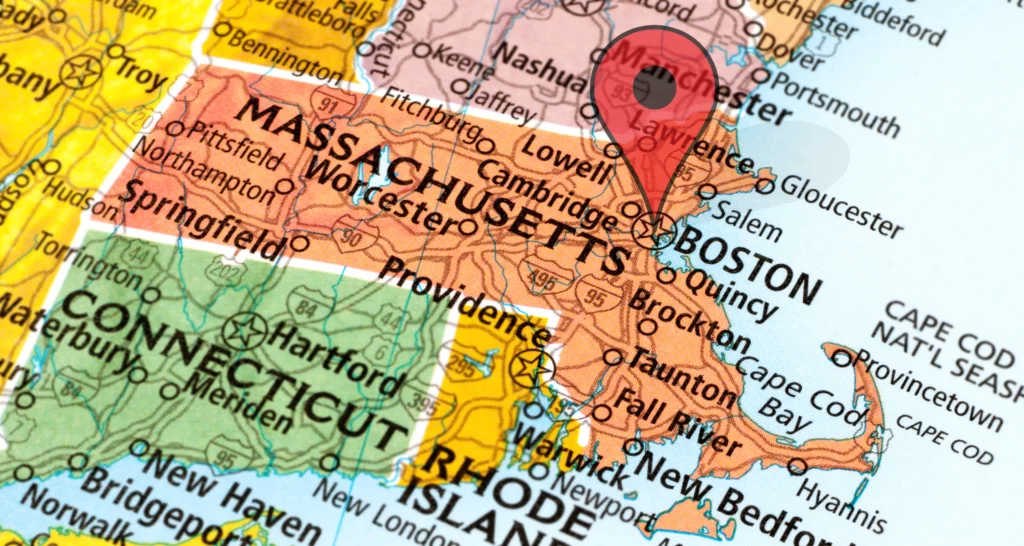
Based in Massachusetts, we provide commercial flat roofing services throughout Suffolk, Middlesex, and Essex counties and surrounding areas.
Your Commercial Roof Has Become A Source of Problems and Financial Damage?
- Leaking seals and water pooling?
- Loose joints and rusted fasteners?
- Massive cracks and total UV degradation?
Commercial Roof Repair, Replacement and Maintenance
Why Choose ID Flat Roof?
Our roofers are skilled, certified, and fully equipped with modern equipment to complete any industrial and commercial flat and low-slope roofs task:
Commercial Roof Replacement
When a commercial roof leaks in several places, holds water over large areas or has wet insulation underneath, patching usually stops paying off. We assess the roof, check the suspect areas and tell you whether a repair, a partial replacement or a full commercial roof replacement is the better investment for the building.
For a full replacement we remove the old system down to the deck, repair damaged decking, install insulation and cover board as required, and install a new PVC, TPO or EPDM membrane with flashings, edge metal and drains detailed for the building. Tar and gravel (BUR) and modified bitumen roofs on older Boston buildings are usually replaced with a modern single-ply membrane. You receive a written scope, material options and price before work begins. See how pricing works in our flat roof replacement cost guide.
Commercial Roof Maintenance & Inspection
Most expensive commercial roof failures start small: a clogged drain, an open seam, cracked sealant around rooftop units or damaged flashing. Scheduled inspections catch these problems early. We check drains, seams, flashing, penetrations, HVAC curbs and previous repair areas, document what we find with photos and give you a clear list of priorities.
For large or hard-to-access roofs we offer drone roof inspection, which documents the whole roof surface from above. Learn more about our flat roof inspection service and documented condition reports.
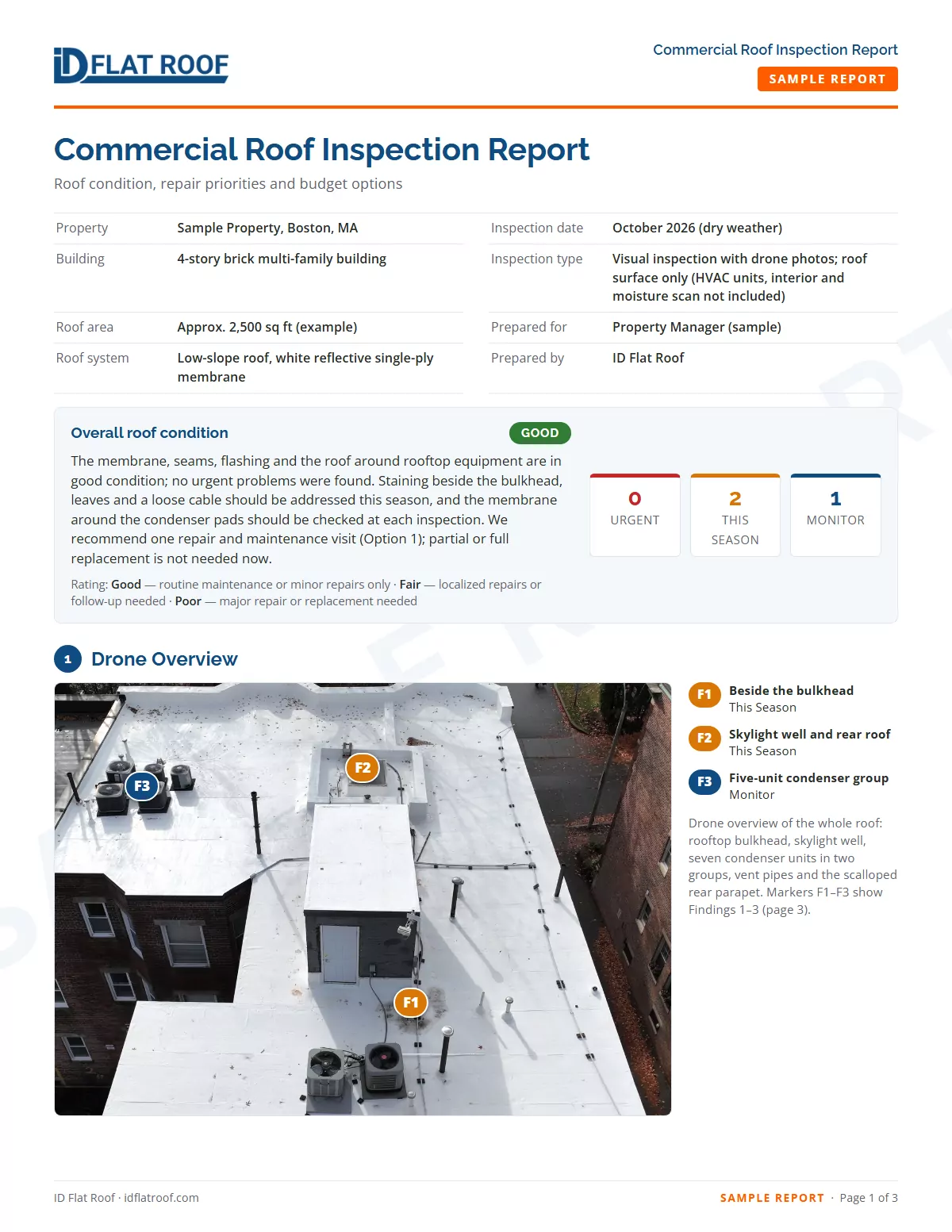
Sample Commercial Roof Inspection Report
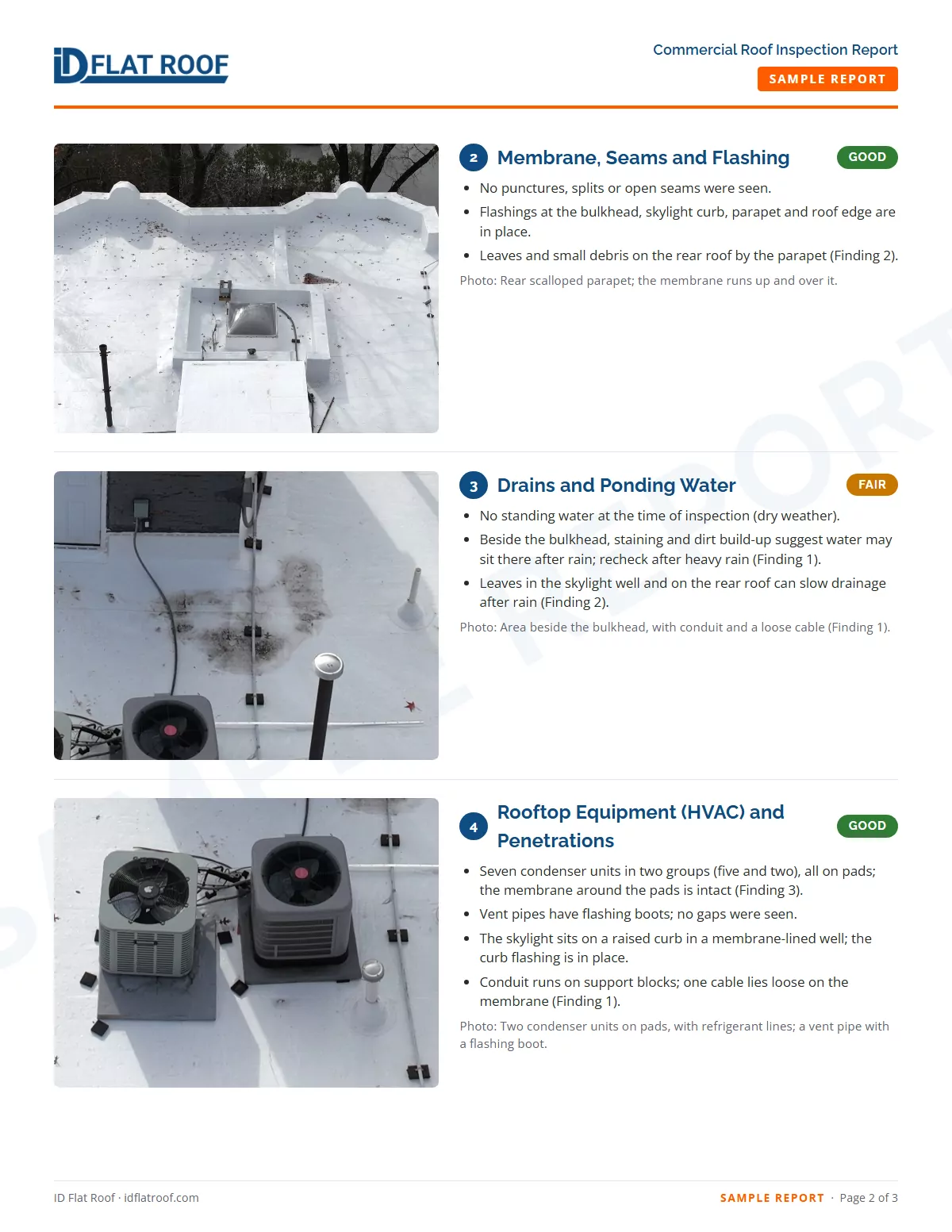
After a commercial roof inspection, you receive photos and condition notes, plus a digital report for your records if you need one. Use it to plan and budget repairs and maintenance; at later inspections, we compare against it to show how the roof has changed. A typical report covers:
- Drone overview photo of the whole roof (optional, where conditions allow)
- Condition of the membrane, seams and flashing
- Drains, scuppers and ponding water areas
- Rooftop equipment (HVAC units and curbs) and roof penetrations
- List of problems found, each with photos and a priority (Urgent, This Season or Monitor)
- Recommendation on repair, partial or full replacement, with a preliminary budget range for each option (the final price is set in a written scope before work begins)
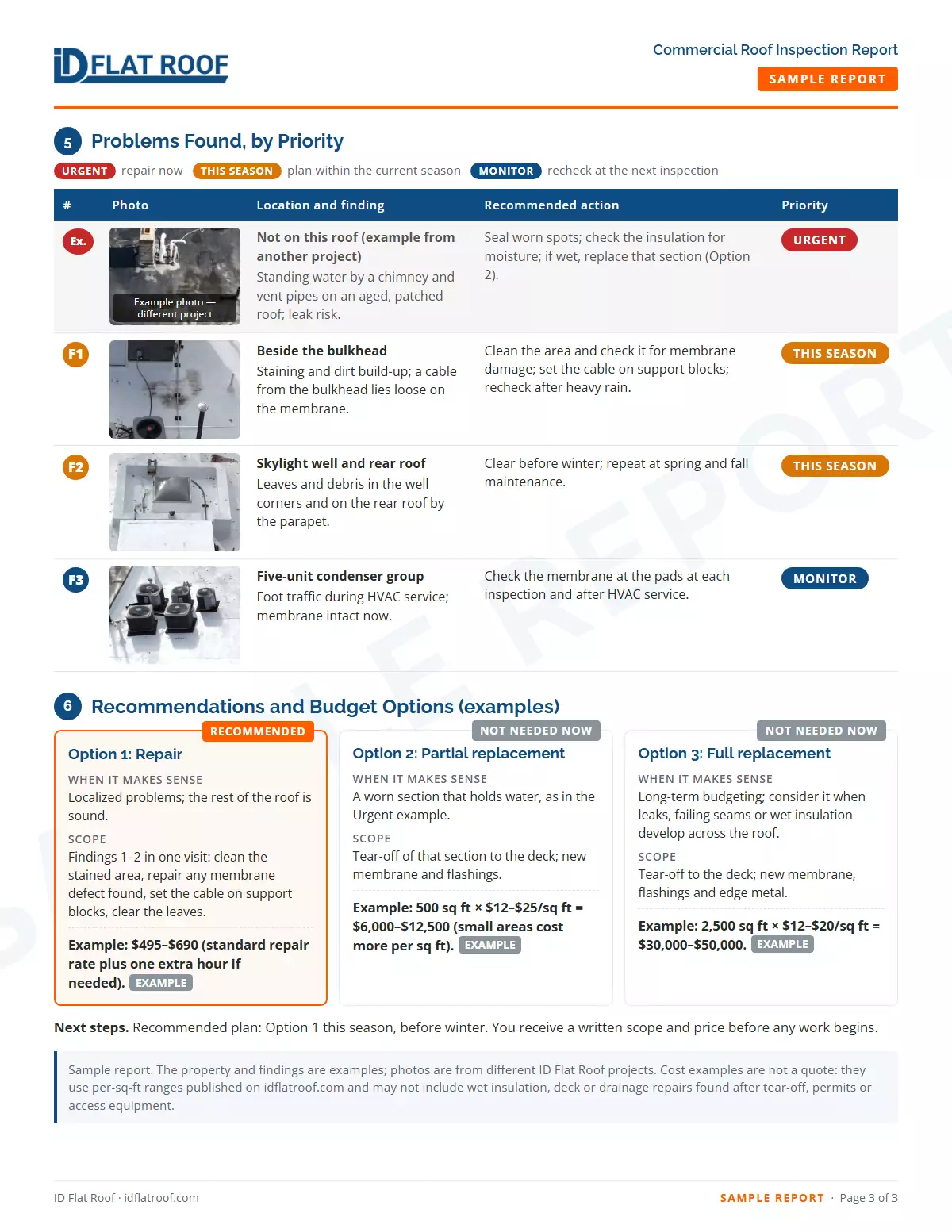
Commercial Buildings We Work On
Warehouse & Industrial Roofing
We handle warehouse and industrial roof repair, maintenance and replacement on single-ply (TPO, PVC, EPDM), built-up (BUR) and modified bitumen roofs in Boston and across Massachusetts. These roofs are large, water often ponds at low spots and around drains, and many carry HVAC or refrigeration equipment; we plan every repair with the drainage and rooftop units in mind. On large roofs we replace one section at a time, so your warehouse or plant can keep operating.
Office Building Roofing
We plan office building roof repair and replacement so tenants and staff can keep working. The loudest work can be scheduled around business hours, and building access is planned in line with job-site safety requirements.
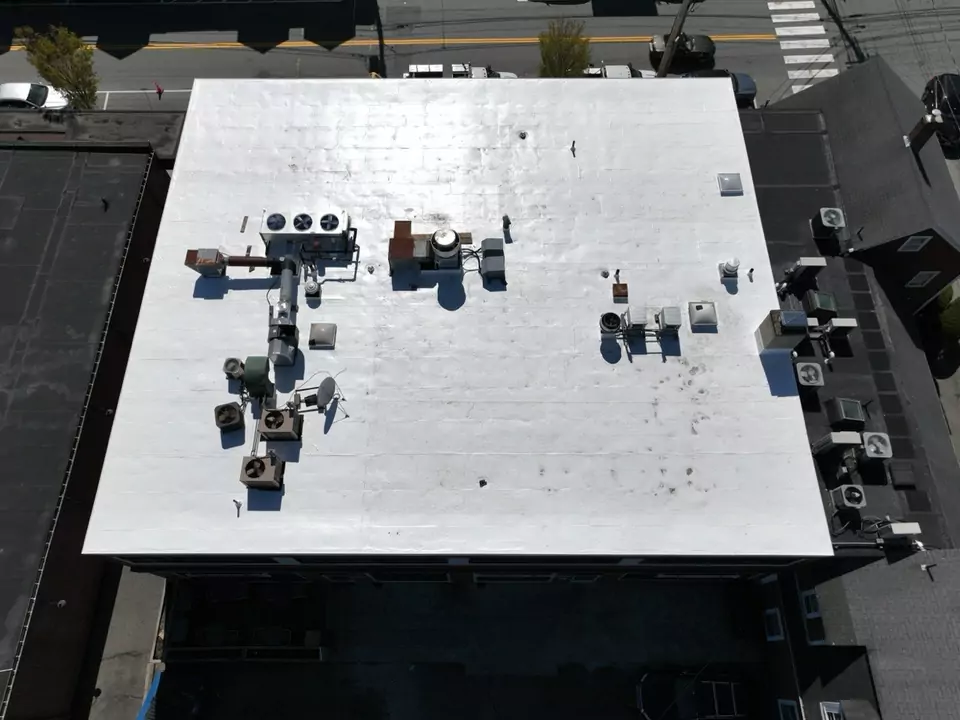
Retail & Shopping Center Roofing
We repair and replace roofs on retail stores, shopping centers and malls, and schedule the work so storefronts stay open for business. Before work starts, we agree with store management on when disruptive tasks will happen. We set up and run the work area in line with job-site safety requirements.
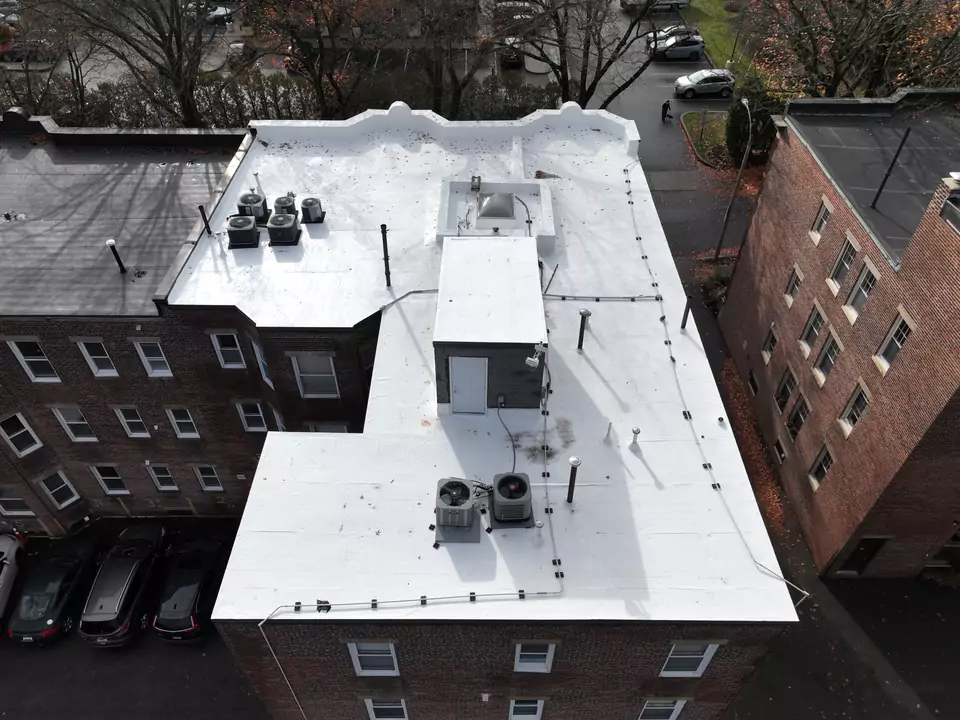
Apartment, Condo & HOA Roofing
We provide flat roof repair and replacement for apartment buildings, condos and other multi-family properties, working directly with the property manager or the condo or HOA board. Residents and tenants get the work schedule in advance: we supply a notice template, and the manager or board sends it out.
Church & Religious Building Roofing
We schedule flat and low-slope church roof repair and replacement in advance, around services, and do the same for other houses of worship. We check parapet walls, flashing, edge metal and transitions between roof sections, and repair damaged areas with materials compatible with the existing flat roof membrane. Where conditions allow, we can document hard-to-reach areas with a drone before planning the work.
School & Healthcare Facility Roofing
School roof repair and replacement can be scheduled during vacations or at other times agreed with the administration, so the work fits around classes. At hospitals and other healthcare facilities, we plan noisy tasks near patient areas for times agreed in advance. In both cases, we coordinate site access with the facilities staff before work starts.
ID Flat Roof is a coordinated team experienced in commercial flat and low-slope roofing projects of varying size and complexity. We work with PVC, TPO, EPDM, modified bitumen, BUR, rubber roofing, and compatible membrane systems.
We work with established roofing material suppliers and provide system and installation options based on the building, project requirements, and available budget.
Roofing for Property Managers & HOAs
Whether you manage one building or several, here is how we work with property managers, condominium associations and HOAs:
- One point of contact for all of your properties
- A photo report after every inspection, repair or maintenance visit
- A written scope and price for each job up front; changes are made only with your approval
- A notice template you can send to residents and tenants so they know the schedule in advance
- Scheduled maintenance: spring and fall roof inspections, plus drain and gutter cleaning
- Invoices made out to the management company or the association (HOA)
Roofing Without Shutting Down Your Business
A roof project should not close your building. Before work starts we agree with you on the schedule, access routes, material staging and crane or hoist use. On larger roofs the work is done in sections, so each section is closed and watertight before the next one is opened. Noisy or disruptive tasks are part of that agreed schedule, and the work area is kept clean and run in line with job-site safety requirements. Read more about minimizing business downtime during roof replacement.
Why Boston property owners choose ID Flat Roof
- 24+ years installing and repairing flat roofs in Boston and across Massachusetts.
- Licensed and insured. Massachusetts Construction Supervisor License and Home Improvement Contractor registration.
- Multi-year warranty on materials and labor.
- Certified installer of IB Roof Systems PVC membranes.
- GAF Certified Roofing Contractor and BBB A+ rating.
- Written scope and price before work begins — the price in your proposal is final unless you change the scope.






Have Questions, Suggestions, or Ideas?
You can count on our experience, impeccable reputation, and dozens of completed projects in MA. We are always happy to offer you a free estimate.
Call or write to our team and tell us about your commercial roofing project. We will review your requirements and recommend an appropriate scope of work.
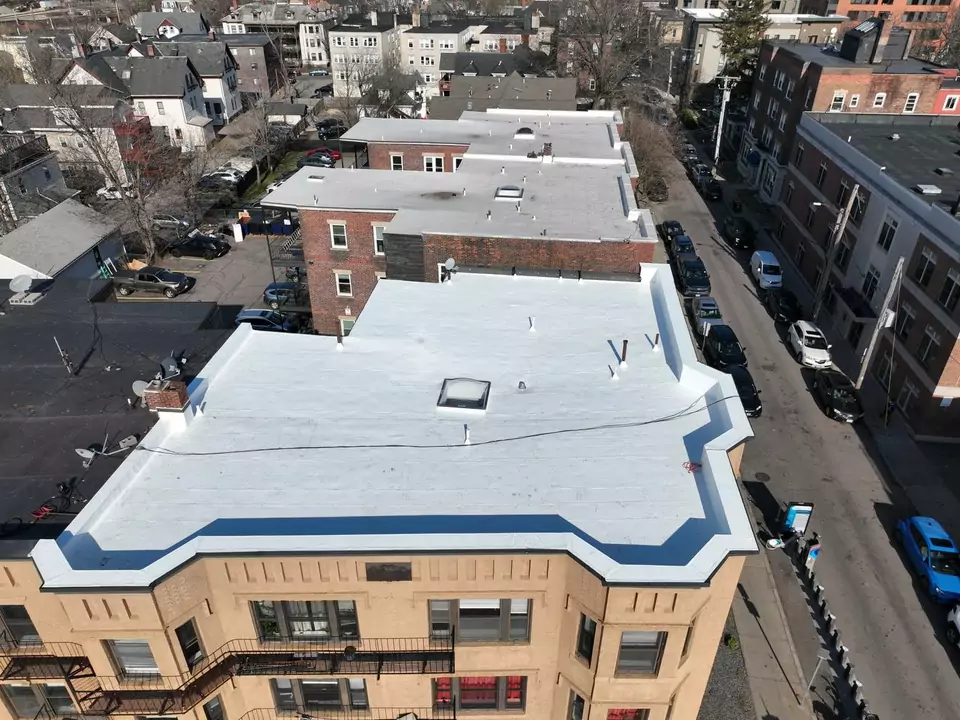
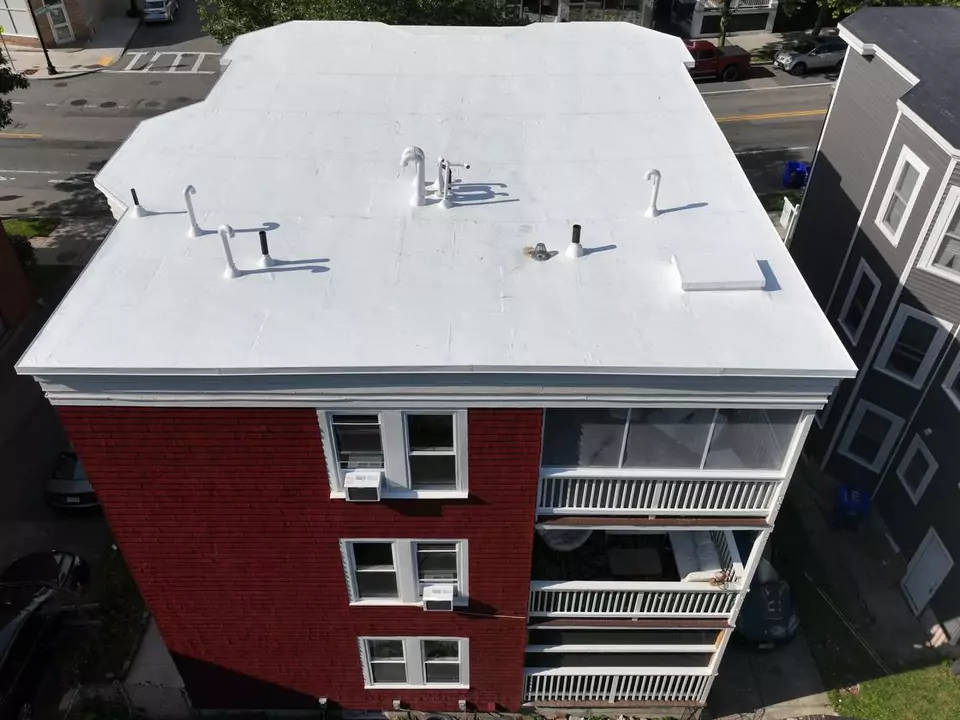
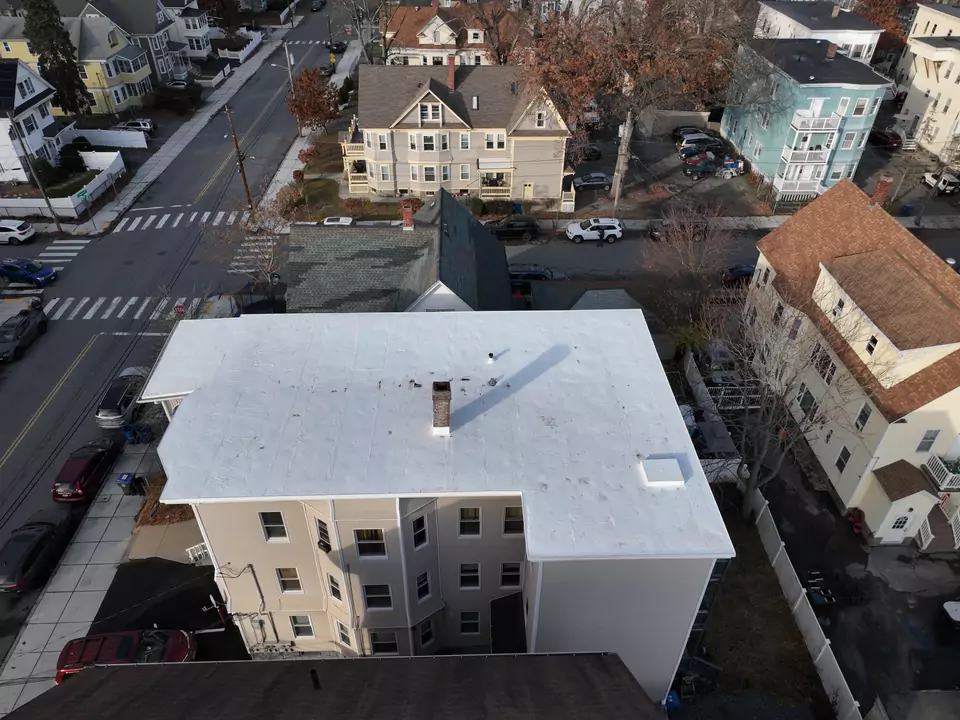
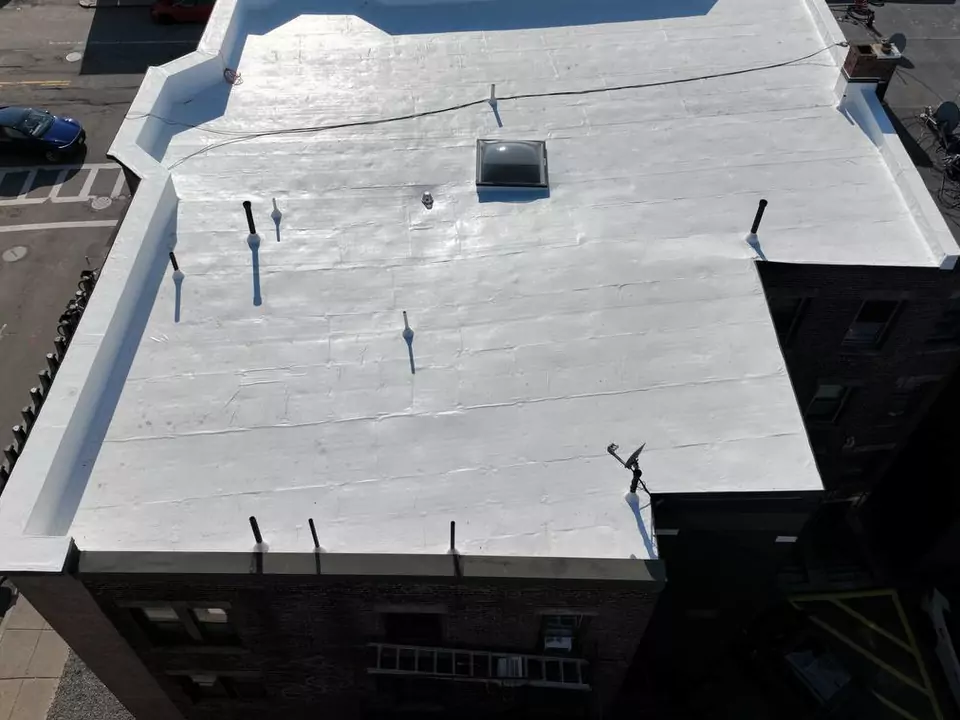
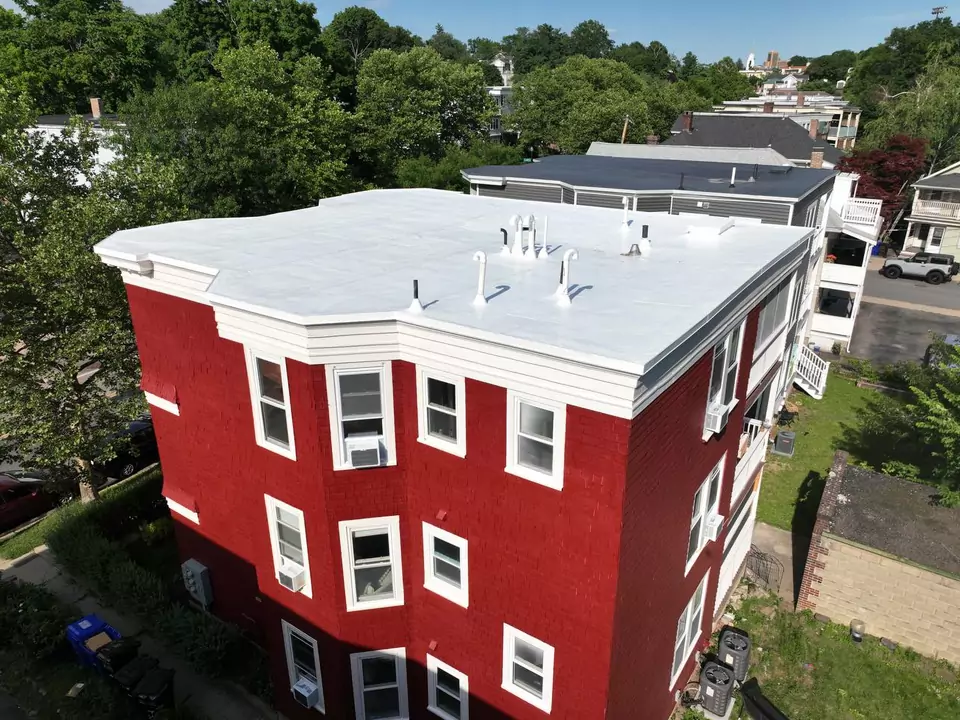
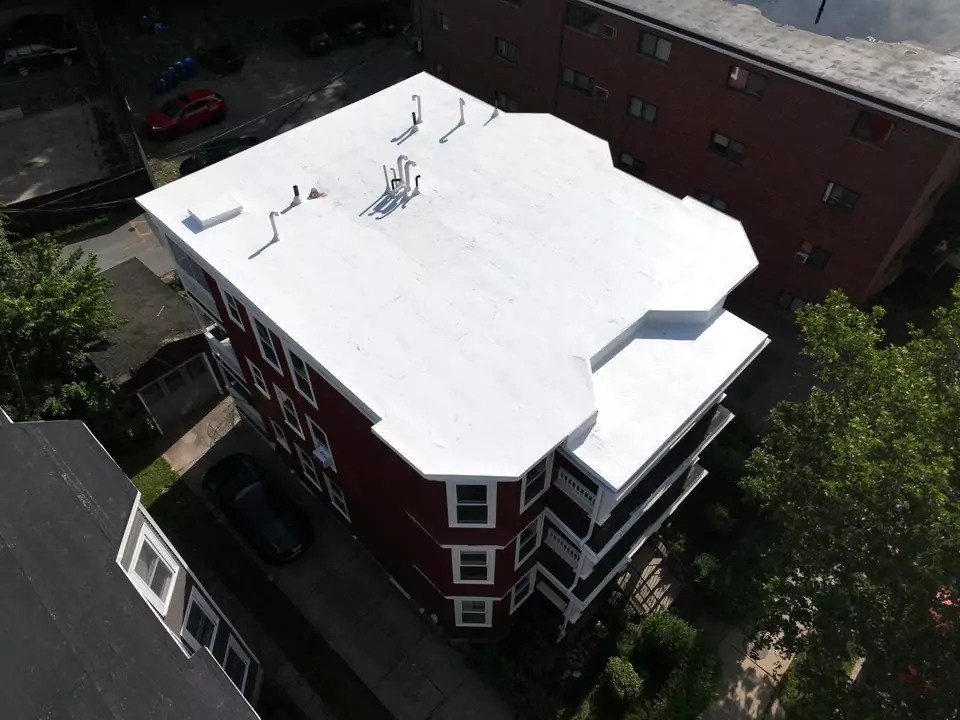
Recent Commercial & Multi-Family Roofing Projects
Flat roof work we have completed on commercial and multi-family buildings in Massachusetts.
See What Customers Are Saying About Us
Show customer reviews
Fill Out the Form to Get A Free Commercial Roof Inspection Right Now

Denis is the driving force behind ID Flat Roof, a leading company in Boston specializing in flat roof repair and installation for 24+ years.
Expertise:
Denis excels in PVC, TPO, EPDM, and rubber roofing. His meticulous approach ensures quality and customer satisfaction.
Innovation:
Denis incorporates cutting-edge solutions like skylights and solar PV roofing.