




Flat Roof Leaks: Common Causes, Warning Signs & Leak Detection
Reading Time: 7 minutesA flat roof leak is not always caused by an obvious hole directly above the place where water appears inside the building. Water can enter through membrane seams, flashing, drains, penetrations, rooftop equipment, roof edges, or previous repair areas and then travel through the roof assembly before becoming visible indoors.
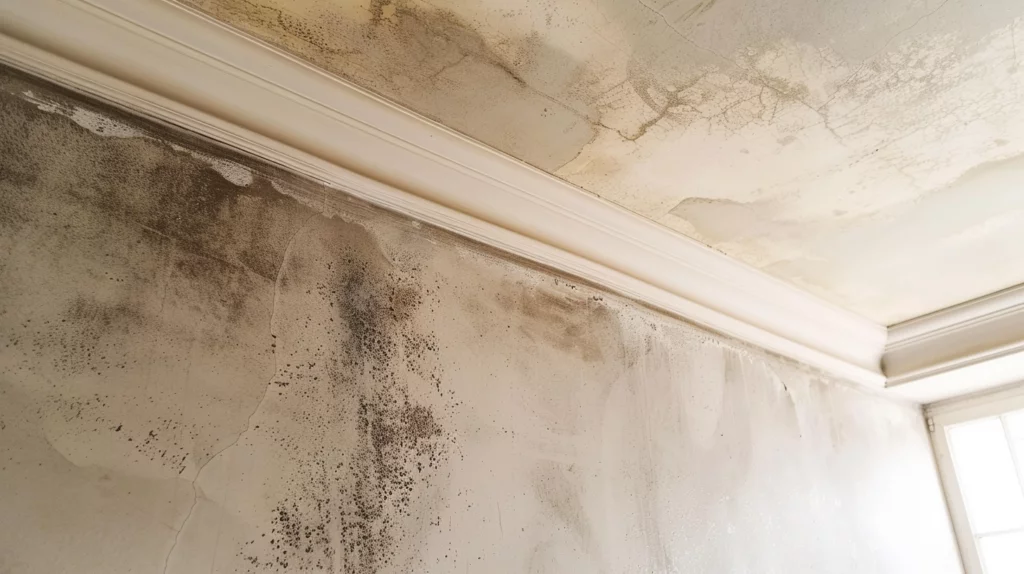
Finding the actual source of a leak is therefore an investigation rather than a matter of simply following the interior stain upward.
This guide explains the most common causes of flat roof leaks, warning signs to watch for, areas that should be checked during leak investigation, and when an active leak may require urgent professional attention.
Key Takeaways
- The visible location of an interior leak may not be the point where water enters the roof.
- Common leak sources include seams, flashing, penetrations, drains, membrane damage, rooftop equipment, and previous repairs.
- PVC, TPO, EPDM, modified bitumen, and built-up roofing systems can develop different types of leak-related problems.
- Recurring leaks may indicate a broader roof condition rather than a single isolated defect.
- An active leak affecting occupied areas, equipment, or interior materials may require urgent attention.
Why Do Flat Roofs Leak?
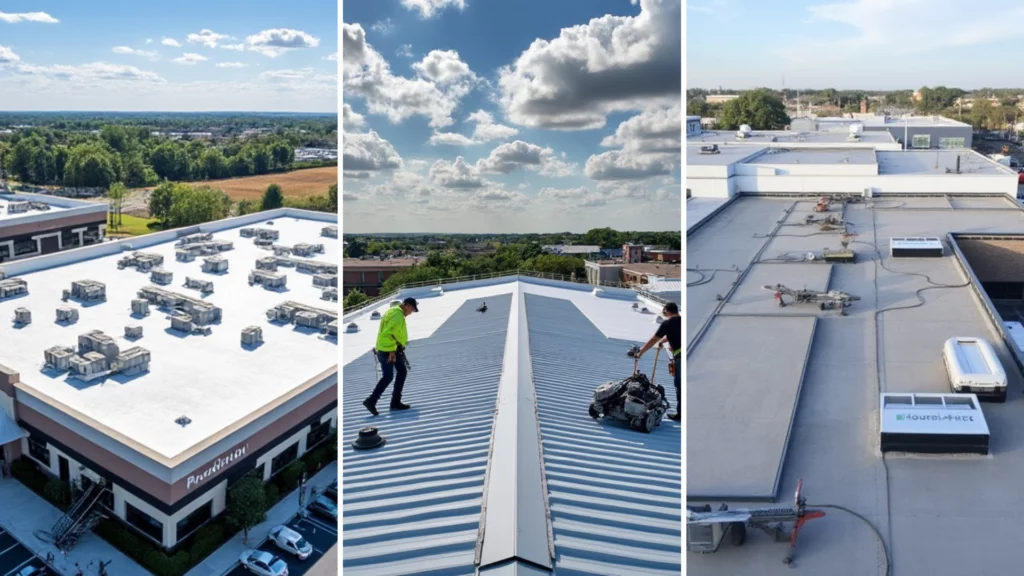
Flat and low-slope roofs rely on a continuous roofing system and properly functioning drainage to control water. A problem in one detail can allow water to move beneath the visible roofing surface.
Leaks may result from physical membrane damage, deteriorated seams or flashing, drainage problems, aging components, rooftop activity, previous repairs, or changes around equipment and penetrations.
The cause should be identified before a permanent repair method is selected.
Open or Damaged Membrane Seams
Seams connect sections of roofing membrane. When a seam separates, deteriorates, or is physically damaged, water may enter beneath the roofing surface.
The appropriate evaluation and repair method depend on whether the roof is PVC, TPO, EPDM, modified bitumen, built-up roofing, or another compatible low-slope system.
Flashing Problems
Flashing protects transitions between the main roof surface and walls, curbs, parapets, penetrations, equipment, edges, and other roof details.
Deteriorated, separated, damaged, or previously repaired flashing can become a source of water entry even when the surrounding membrane appears intact.
Roof Penetrations
Pipes, vents, conduits, supports, skylights, mechanical curbs, and other roof penetrations interrupt the main roofing surface and require compatible waterproof detailing.
Changes to rooftop equipment or work performed by another contractor can also affect nearby membrane or flashing details.
Punctures and Physical Damage
Tools, equipment, debris, rooftop traffic, construction activity, or severe weather can puncture or otherwise damage a roofing membrane.
Small damaged areas can sometimes be difficult to notice without a systematic inspection of the roof surface.
Previous Repair Areas
Old repair areas should be included in leak investigation. A previous patch may still be performing correctly, or it may have begun to deteriorate while the surrounding roof developed a different problem.
Repair history is therefore useful when trying to determine whether a leak is new or recurring.
Drainage and Ponding Water
Flat roofs are designed with enough slope and drainage components to move water away from the roofing surface. Depending on the building, this may involve roof drains, scuppers, gutters, downspouts, tapered insulation, or other drainage details.
Blocked drains, damaged drainage components, changes in roof slope, displaced materials, or other conditions can contribute to localized ponding water.
Ponding water does not automatically identify the source of a leak, but it can be an important condition to document when the surrounding membrane, seams, drains, insulation, and roof assembly are evaluated.
For more information about commercial roof drainage and maintenance, see our Commercial Roof Maintenance Guide.
Common Areas to Check During Flat Roof Leak Investigation
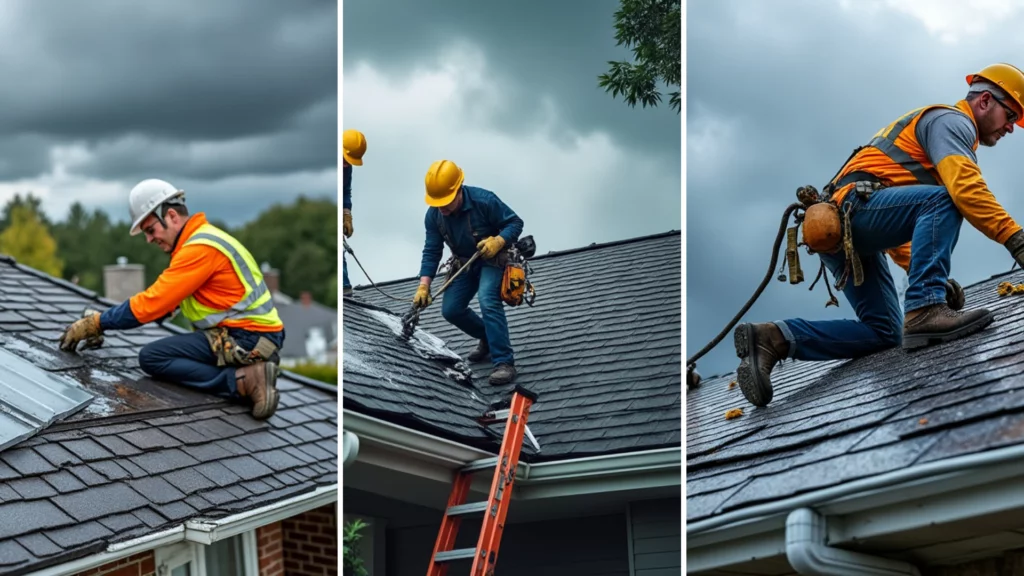
A leak investigation may include both interior observations and rooftop conditions.
- interior water stains or active dripping locations
- membrane seams
- flashing
- roof edges and parapets
- drains and scuppers
- pipes, vents, and other penetrations
- HVAC curbs and rooftop equipment
- punctures or surface damage
- blisters or bubbles
- previous repair locations
- localized ponding areas
- possible signs of wet insulation or affected roof decking
The objective is to connect the interior evidence of water with conditions in the roof assembly rather than assuming the closest visible roof defect is automatically the source.
Warning Signs of a Flat Roof Leak
Not every roof leak appears as active dripping. Some problems first become visible as changes inside the building or on the roofing surface.
- water stains on ceilings or walls
- active dripping during or after rain
- damp areas near exterior walls or rooftop penetrations
- recurring discoloration after previous repairs
- visible open seams or flashing damage
- punctures or membrane surface damage
- blisters or bubbles
- changes around drains or rooftop equipment
- areas where ponding water repeatedly develops
These signs indicate that further evaluation may be appropriate, but they do not independently determine the exact repair required.
Why Can a Flat Roof Leak Be Difficult to Locate?
Water does not always move vertically through a roof assembly. Once it passes the outer roofing layer, it may travel through insulation, along decking, around structural components, or between layers before becoming visible inside the building.
This is one reason a patch applied directly above an interior stain may fail to solve the problem.
Previous leaks can also complicate diagnosis because old stains may remain visible after a repair even when the original source is no longer active.
Leak Considerations for Different Flat Roofing Systems
PVC and TPO Roofing
PVC and TPO are thermoplastic single-ply membranes. Leak investigation may include heat-welded seams, flashing, penetrations, drains, punctures, previous repair areas, and membrane condition around rooftop equipment.
EPDM and Rubber Roofing
EPDM is a synthetic rubber membrane. Potential problem areas may include seams, flashing, punctures, penetrations, membrane shrinkage, drainage details, and previous repairs.
Modified Bitumen and Built-Up Roofing
Modified bitumen and built-up roofing use different multi-layer or asphalt-based assemblies. Leak investigation may require evaluation of surface deterioration, seams, flashing, blisters, cracks, saturated areas, and conditions affecting multiple roofing layers.
For a broader explanation of how these systems are repaired, see our Flat Roof Repair Guide.
What If a Leak Starts After Severe Weather?
A leak reported after strong wind, heavy rain, snow, ice, or another significant weather event may justify inspection of more than the visible leak area.
Roof edges, membrane surfaces, flashing, drains, penetrations, rooftop equipment, and previously repaired areas may all need to be considered depending on what occurred.
Do not assume that weather damage is limited to the exact location where water first becomes visible indoors.
Why Recurring Roof Leaks Need Broader Investigation
A leak that returns after one or more repairs may indicate that the original source was not fully identified, a different nearby condition has developed, or deterioration affects a larger portion of the roofing system.
Recurring problems may justify review of the surrounding membrane, flashing, drains, penetrations, insulation, previous repair history, and roof deck rather than repeating the same localized repair.
What If Water Has Reached the Insulation or Roof Deck?
Water entry may affect more than the visible roofing membrane. Depending on the roof assembly and duration of the condition, insulation, cover boards, decking, or interior materials may also require evaluation.
The extent of affected material cannot always be determined from an interior stain or surface inspection alone. More detailed investigation may be appropriate when the leak has been recurring, widespread, or difficult to locate.
When Does a Flat Roof Leak Require Urgent Attention?

Urgent attention may be appropriate when water is actively entering an occupied building, interior materials or equipment are being affected, storm damage has exposed part of the roofing system, or the condition may continue to worsen during ongoing weather.
In an emergency, the first objective may be temporary leak control or stabilization rather than the complete permanent repair.
Once conditions allow, the roofing system can be evaluated for the appropriate permanent repair scope.
For an active flat roof leak requiring urgent attention, visit our Emergency Flat Roof Repair page.
What Happens After the Leak Source Is Identified?
Once the likely source has been identified, the next step is to define the repair scope.
A localized problem may require repair of membrane, seams, flashing, drains, or penetrations. More complicated conditions may require investigation of surrounding roof areas, insulation, drainage, previous repairs, or the roof deck.
The appropriate repair depends on the existing roofing system and the extent of the condition.
For planned flat roof repair service information, visit our Flat Roof Repair page.
Document the Leak and Repair History
Property owners and managers can make future leak investigation easier by keeping records of:
- date and weather conditions when the leak appeared
- interior location of water entry
- photographs or videos
- previous inspection findings
- previous repair locations
- repair materials and methods used
- changes to rooftop equipment
- applicable warranty documents
This information can help determine whether a future leak is occurring in the same location or represents a new condition.
Summary
A flat roof leak is a symptom that requires investigation. Water may enter through seams, flashing, penetrations, drains, punctures, rooftop equipment, roof edges, or previous repairs and then travel before becoming visible inside the building.
Leak investigation should consider the roofing system and surrounding roof conditions rather than relying only on the position of the interior stain.
For a planned repair, use our Flat Roof Repair service page. For an active leak requiring urgent attention, use our Emergency Flat Roof Repair page.
Frequently Asked Questions
After water passes the outer roofing layer, it may travel through insulation, decking, structural components, or other parts of the roof assembly before becoming visible inside the building. The interior stain therefore may not be directly below the exterior entry point.
Common sources include damaged membrane areas, open seams, deteriorated flashing, drains, penetrations, rooftop equipment, roof edges, punctures, and previous repair locations.
Not necessarily. Ponding water is an important roof condition to document, but the actual leak may involve membrane damage, seams, drains, flashing, penetrations, insulation, or another part of the roof assembly.
A recurring leak may mean the original source was not fully identified, another nearby condition has developed, or deterioration affects a larger portion of the roofing system. Broader investigation may be needed instead of repeating the same localized repair.
Urgent attention may be appropriate when water is actively entering occupied areas, affecting equipment or interior materials, storm damage has exposed part of the roofing system, or the condition may worsen during ongoing weather.

Denis is the driving force behind ID Flat Roof, a leading company in Boston specializing in flat roof repair and installation for 24+ years.
Expertise:
Denis excels in PVC, TPO, EPDM, and rubber roofing. His meticulous approach ensures quality and customer satisfaction.
Innovation:
Denis incorporates cutting-edge solutions like skylights and solar PV roofing.