




Commercial Roof Repair Service: What Property Managers Should Expect
Reading Time: 6 minutesCommercial roof repair is more than applying a patch to the visible problem. A professional repair process should identify the roofing system, locate the source of water entry, evaluate surrounding membrane and flashing, and define a repair scope that is compatible with the existing roof.
For property owners and managers, understanding this process makes it easier to compare proposals, ask the right questions, and document completed work.
This guide explains what to expect from a commercial roof repair service, from the initial inspection through repair planning, execution, and follow-up.
Key Takeaways
- Commercial roof repair should begin with identifying the roof system and the source of the problem.
- The repair scope should address seams, flashing, penetrations, drainage details, membrane damage, and surrounding roof condition where relevant.
- Repair materials and methods should be compatible with the existing roofing system.
- Property owners should receive a clear explanation of the proposed scope before work begins.
- Photos, inspection notes, repair records, and warranty information should be retained as part of the building’s roof history.
What Should a Commercial Roof Repair Service Include?
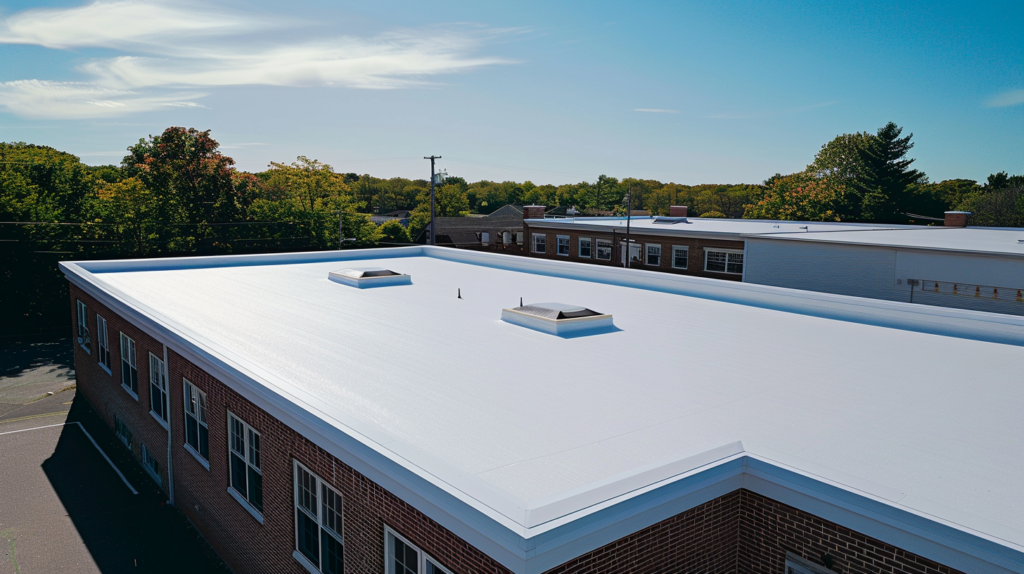
A commercial roof repair service should begin with an assessment of the existing roofing system and the reported problem. The contractor should evaluate both the visible damage and nearby roof details that may contribute to water entry.
Depending on the roof, this may include membrane seams, flashing, drains, penetrations, rooftop equipment, previous repair areas, and conditions beneath or around the affected section.
The goal is to define a repair scope based on the actual condition of the roof rather than treating only the first visible symptom.
Recognizing Roofing Problems
Commercial roof problems can appear in several ways. Some conditions are visible from the roof surface, while others first become noticeable inside the building.
- active or recurring leaks
- open or separated membrane seams
- punctures, cracks, or surface damage
- deteriorated flashing
- problems around drains and roof penetrations
- blisters or bubbles
- localized ponding water
- damage around rooftop HVAC equipment
- previous repair areas that are beginning to fail
The visible location of an interior leak does not always identify the exact point where water is entering the roofing system. Water can travel through insulation, roof assemblies, structural components, or along penetrations before becoming visible inside the building.
A roof inspection should therefore evaluate both the reported problem and surrounding roof conditions before the repair method is selected.
What to Compare in a Commercial Roof Repair Proposal
When comparing commercial roof repair proposals, review more than the final price.
A useful proposal should identify the affected area, describe the recommended repair, specify compatible materials, explain any limitations or exclusions, and clarify what happens if additional damage is discovered.
For larger or recurring problems, ask whether the contractor has evaluated the surrounding roofing system and whether repair remains appropriate compared with a larger restoration or replacement project.
Proactive Measures: Maintenance and Inspections
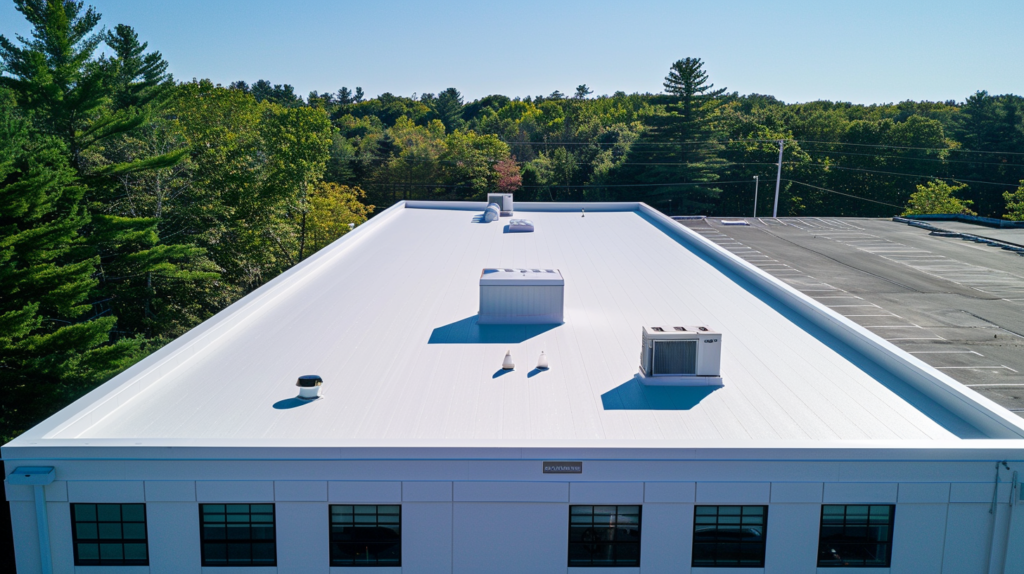
Commercial roof maintenance can help identify developing problems before they turn into larger repair projects. Inspections are especially useful for monitoring seams, flashing, drainage areas, penetrations, rooftop equipment, previous repairs, and other vulnerable roof details.
Maintenance records also create a useful history of the roofing system. Photographs, inspection notes, completed repairs, and recommendations can help property managers understand how roof conditions change over time.
Scheduling Regular Roof Check-Ups
Inspection frequency depends on the roofing system, building use, roof age, manufacturer requirements, previous repair history, and exposure to severe weather.
Commercial property owners should establish an inspection and maintenance schedule appropriate for the building and keep records of roof conditions, repairs, photographs, and recommendations.
An additional inspection may also be appropriate after severe weather, known rooftop damage, construction activity, or a newly reported leak.
Building a Roof Maintenance Plan
A maintenance plan should reflect the roofing system and the actual conditions of the property rather than follow a one-size-fits-all schedule.
Useful records may include original roof information, membrane type, previous inspection reports, photographs, drainage observations, completed repairs, warranty documents, and information about rooftop work performed by other contractors.
This documentation can make future inspections more efficient and help distinguish a new problem from a previously repaired condition.
When Does a Commercial Roof Problem Become an Emergency?
A roof problem may require urgent attention when water is actively entering the building, interior materials or equipment are being affected, storm damage has exposed part of the roofing system, or the condition may continue to worsen during ongoing weather.
The immediate objective may be temporary leak control or stabilization rather than a complete permanent repair. Once conditions allow, the roof can be evaluated for the appropriate long-term repair scope.
For an active commercial roof leak, see our Commercial Emergency Roof Repair service.
Repair Methods Depend on the Existing Roofing System
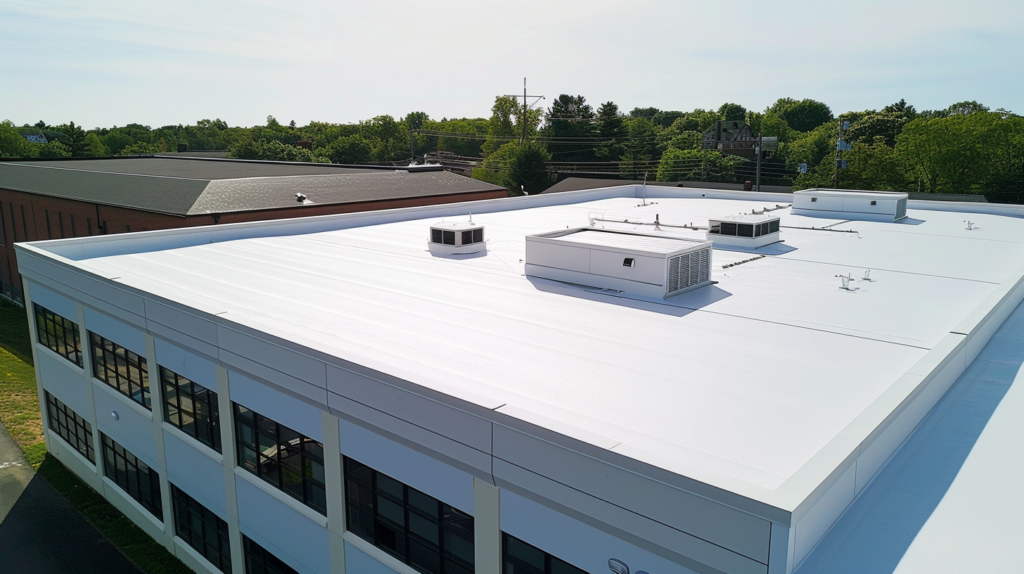
Commercial flat roofs can use different membrane and multi-layer roofing systems, and repair materials should be selected for compatibility with the existing roof.
PVC and TPO Roof Repairs
PVC and TPO are thermoplastic single-ply roofing systems. Depending on the roof condition, repairs may involve compatible membrane material and heat-welded seams around the affected area.
Common repair locations include seams, flashing, punctures, drains, penetrations, and details around rooftop equipment. The existing membrane should be identified correctly before compatible repair materials are selected.
EPDM and Rubber Roof Repairs
EPDM is a synthetic rubber roofing membrane. Repair conditions may include punctures, open seams, membrane shrinkage, flashing deterioration, and problems around penetrations.
The surrounding membrane condition and previous repairs should be evaluated before determining whether a localized repair is appropriate.
Other Commercial Flat Roofing Systems
Modified bitumen and built-up roofing systems may require different repair materials and methods. Cracks, blisters, deteriorated flashing, failed seams, and saturated areas should be evaluated according to the existing roof assembly.
When Is Repair No Longer the Best Option?
A localized repair may be appropriate when the problem is limited and the surrounding roofing system remains serviceable.
A larger project may need to be considered when leaks repeatedly return, deterioration is widespread, insulation or decking is affected, numerous previous repairs are failing, or the roofing system is approaching the end of its useful service life.
The decision should be based on roof condition and project scope rather than age or square footage alone.
Safety and Business Disruption During Roof Repair
Commercial roof repair can involve rooftop equipment, occupied buildings, loading areas, pedestrian access, and other operational considerations. These conditions should be reviewed as part of project planning.
- Identify relevant roof access conditions and potential hazards before work begins.
- Establish safe work areas and protect occupied or frequently used areas where appropriate.
- Coordinate work around building operations, rooftop equipment, deliveries, tenants, or other contractors when necessary.
- Keep the property owner or manager informed if the repair scope changes during the work.
Planning these details in advance can reduce unnecessary disruption while helping the roofing work proceed efficiently.
What Should Be Documented Before Repair Begins?
Before commercial roof repair begins, the property owner or manager should understand:
- the reported problem and affected area
- the existing roofing system
- the proposed repair method
- materials included in the repair
- areas that are excluded from the scope
- how unforeseen conditions will be handled
- applicable project-specific warranty terms
- expected documentation after completion
A written scope and project-specific warranty information make it easier to manage the roof after the repair and compare future recommendations.
What Happens After the Roof Is Inspected?
After the roof is inspected, the findings should be translated into a clear repair recommendation.
For a localized problem, this may result in a defined repair scope. More complex conditions may require additional investigation, moisture evaluation, drainage review, or comparison between repair and replacement options.
Property owners should retain inspection notes, photographs, proposals, and completed repair documentation as part of the building’s roofing records.
For planned commercial repair, replacement, or maintenance services in Massachusetts, visit our Commercial Roofing Services page.
Related Articles on Commercial Roofing You Might Find Useful
Planning a Flat Roof Replacement in Boston: Cost Factors to Review
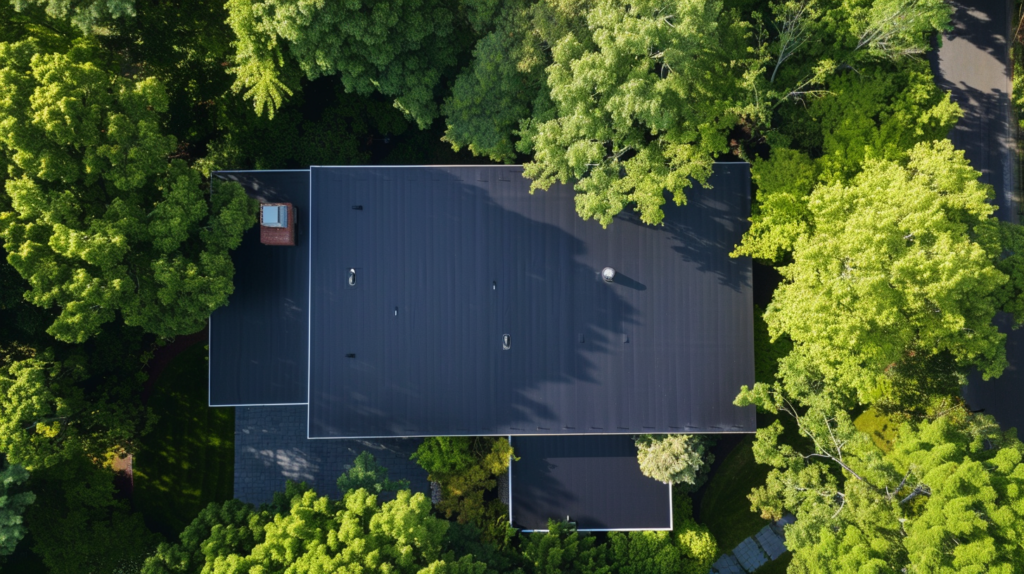
Preventing Leaks on Rubber Roofs (2026 Guide)
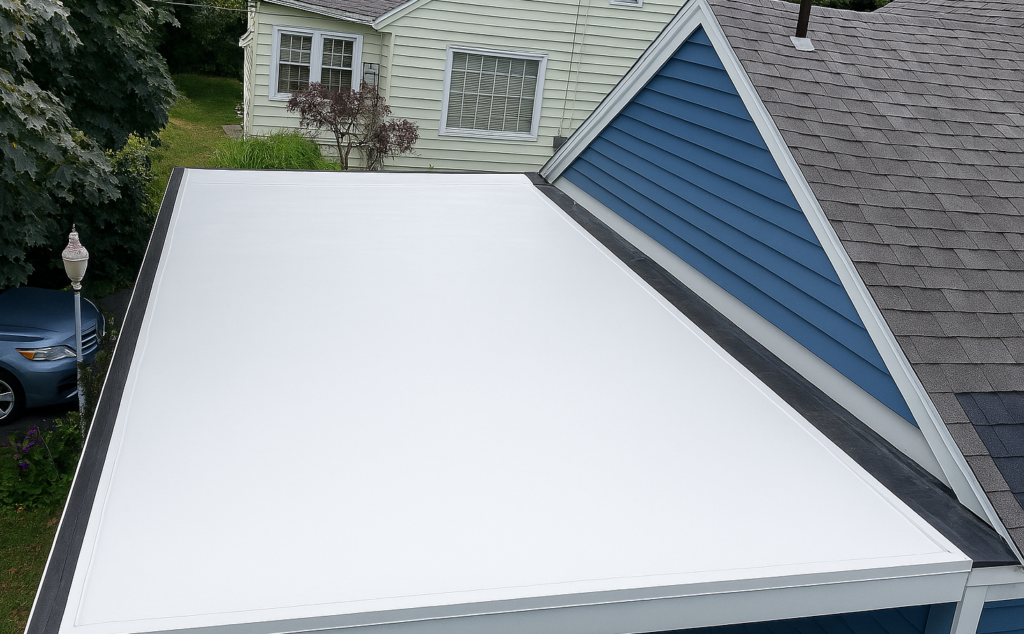
Why Cheap Roofing Quotes Can Cost More Later (2026 Guide)
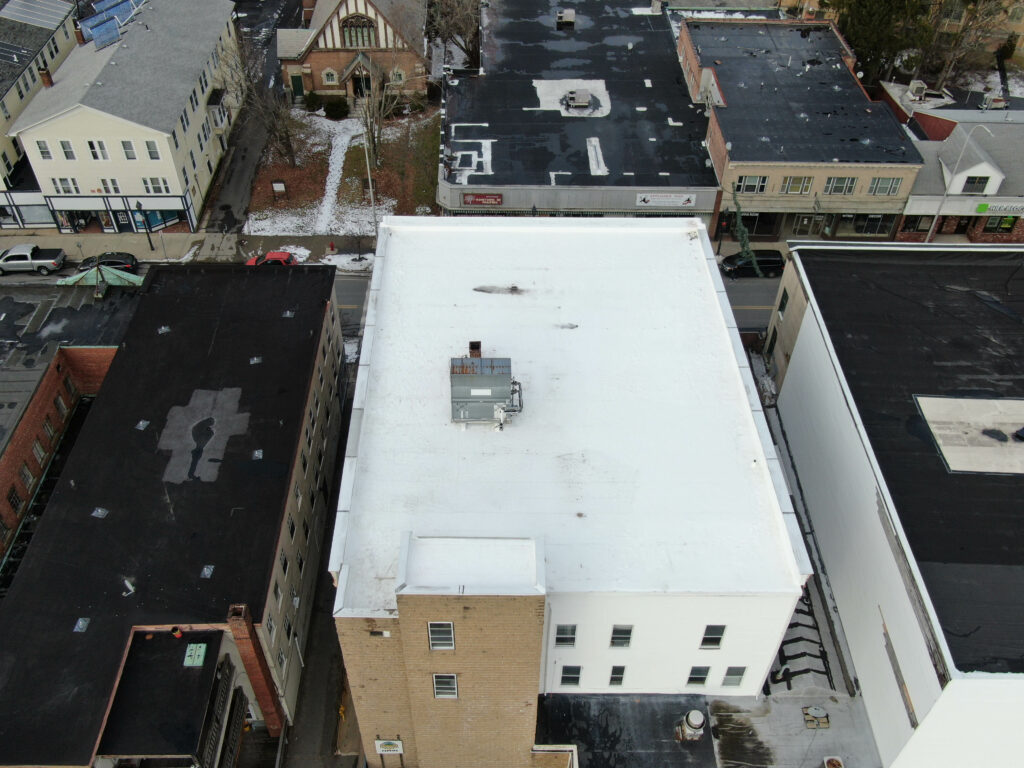
Red Flags When Hiring a Roofing Contractor (2026 Guide)
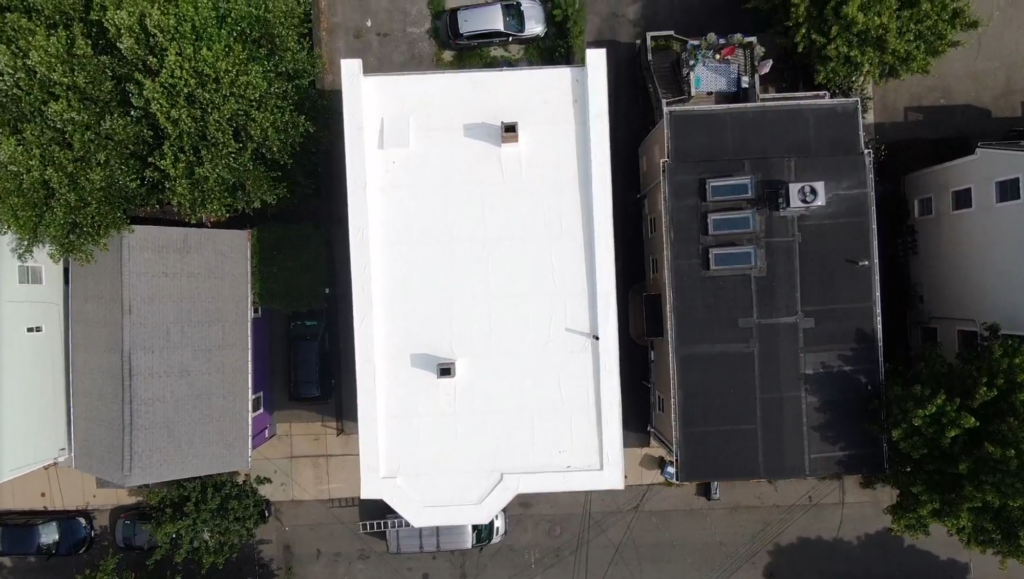
How to Prepare Your Property for Roof Work (2026 Guide)
What to Expect During a Commercial Roofing Project (2026 Guide)
Summary
Commercial roof repair should follow a documented process: identify the roofing system, investigate the problem, define the repair scope, use compatible materials, complete the work safely, and retain records of what was repaired.
For planned commercial repair, replacement, or maintenance, use our Commercial Roofing Services page. For an active leak requiring urgent attention, use our Commercial Emergency Roof Repair page.
Frequently Asked Questions
Consider the extent of the damage, condition of the surrounding roof, previous repair history, insulation and deck condition, recurring leaks, and the expected remaining service life of the existing system. The appropriate choice should be based on an inspection and project-specific scope.
Leak investigation may include reviewing interior water locations, membrane seams, flashing, penetrations, drains, rooftop equipment, previous repairs, and surrounding roof conditions. The visible interior leak location does not always identify the exact point where water enters the roofing system.
Inspection frequency depends on the roofing system, roof age, building use, manufacturer requirements, repair history, and exposure to severe weather. Additional inspections may also be appropriate after storms, rooftop construction, known damage, or a newly reported leak.
A proposal should clearly describe the affected area, recommended repair method, materials, exclusions, applicable project-specific warranty terms, and how additional conditions discovered during the work will be handled.
Not always. Localized damage may be repairable when the surrounding roofing system remains serviceable. Widespread deterioration, recurring leaks, damaged insulation or decking, or numerous failing previous repairs may require a larger restoration or replacement project.

Denis is the driving force behind ID Flat Roof, a leading company in Boston specializing in flat roof repair and installation for over 20 years.
Expertise:
Denis excels in PVC, TPO, EPDM, and rubber roofing. His meticulous approach ensures quality and customer satisfaction.
Innovation:
Denis incorporates cutting-edge solutions like skylights and solar PV roofing.