




Best Flat Roofing Material for Snow and Ice (Massachusetts Guide 2026)
Reading Time: 3 minutes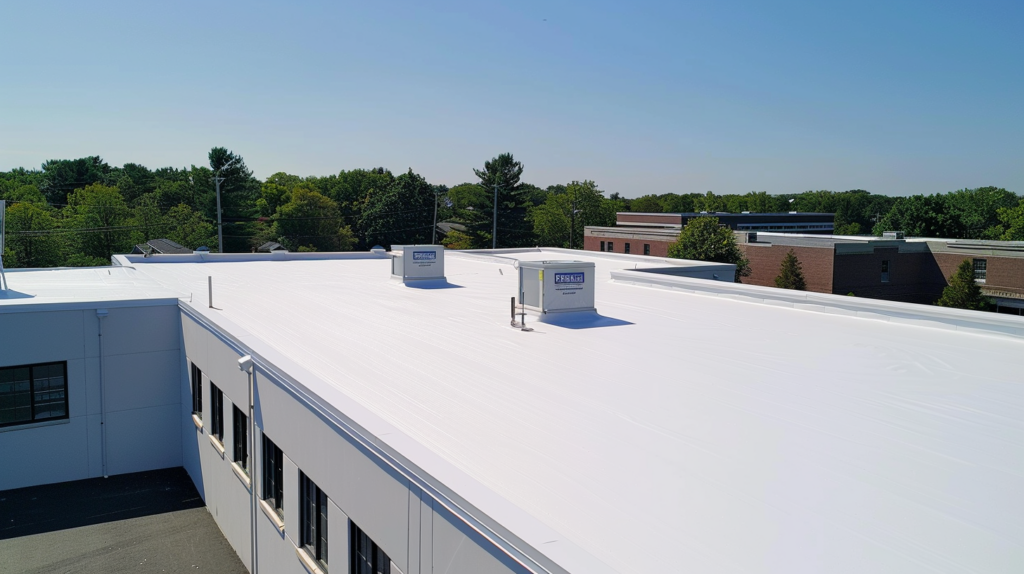
Introduction
Snow and ice are among the most damaging factors for flat roofs in Massachusetts.
Heavy snow loads, ice buildup, and freeze-thaw cycles create conditions where many roofing systems begin to fail — especially if they are not designed for winter performance.
At ID Flat Roof, we regularly inspect roofs in Boston after winter and see the same issues repeat.
👉 Choosing the right roofing material is critical for long-term durability.
Why Snow and Ice Are a Problem for Flat Roofs
Flat roofs behave differently than sloped roofs:
- snow accumulates instead of sliding off
- ice forms around drains and edges
- melting and refreezing creates stress
- water often remains on the surface
👉 These conditions expose weak points in the roofing system.
Key Requirements for Winter-Resistant Roofing
The best flat roofing material for snow and ice must:
- handle ponding water
- resist freeze-thaw cycles
- maintain strong seams
- remain flexible in cold temperatures
- prevent water infiltration over time
👉 Not all materials perform equally under these conditions.
Best Flat Roofing Materials for Snow and Ice
1. PVC Roofing (Best Overall Choice)
PVC is widely considered one of the best options for cold climates.
Why it performs well:
- heat-welded seams (not glued) → lower leak risk
- excellent resistance to standing water
- durable under freeze-thaw cycles
- long lifespan (20–30+ years)
- consistent performance over time
👉 This makes PVC highly reliable for Massachusetts winters.
On-site, we evaluate seam integrity by checking how the membrane behaves around HVAC bases and parapets after a deep freeze. Glued seams often hide micro-separation that looks fine in summer but fails under ice pressure. That’s why our crew at ID Flat Roof prioritizes welded systems: when the temperature drops, you want a roof that moves as one piece — not a collection of glued edges waiting to split.
2. Rubber Roofing (EPDM)
Rubber roofs are common and perform reasonably well in cold weather.
Pros:
- flexible in low temperatures
- relatively affordable
Cons:
- glued seams can fail over time
- more sensitive to ponding water
- higher maintenance needs
👉 Works, but often requires more repairs.
3. TPO Roofing
TPO is a mid-range option.
Pros:
- reflective surface
- welded seams
Cons:
- performance varies by manufacturer
- can degrade faster under constant water exposure
👉 Acceptable, but less predictable long-term.
+1 (978) 381-3838
Real Problems We See After Winter in Boston
From inspections:
- seam separation after freeze-thaw cycles
- leaks after snow melt
- ponding water damage
- repeated patch repairs
👉 These issues are often tied to material limitations.
When we step onto a roof after a heavy New England winter, we don’t start at the ceiling stain. We trace the ice buildup around drains and edges first. Water doesn’t leak where you see it inside — it leaks where the freeze-thaw cycle broke the weakest bond. At ID Flat Roof, mapping those stress zones is always our starting point before we ever talk about patches.
Why Seams Matter the Most
In winter conditions:
- water freezes and expands
- pressure builds at weak points
👉 If seams fail, leaks are almost guaranteed.
PVC systems reduce this risk due to welded seams that remain stable over time.
Cost vs Performance in Cold Climates
Lower-cost materials:
- cheaper upfront
- more frequent repairs
- higher long-term risk
Higher-performance systems (PVC):
- higher upfront investment
- fewer winter-related issues
- longer lifespan
👉 In snow-heavy climates, durability matters more than initial price.
When Other Materials May Be Used
Alternatives may be considered if:
- budget is limited
- building is temporary
- short-term ownership is planned
👉 But these come with trade-offs.
FAQ
What is the best flat roof material for snow and ice?
PVC roofing is often the best choice due to its durability, welded seams, and resistance to ponding water.
Is rubber roofing good for snow?
It performs well in cold temperatures but may require more maintenance over time.
Does snow damage flat roofs?
Yes, especially when combined with ice and freeze-thaw cycles.
Why is PVC better in winter?
Because it resists water, maintains strong seams, and performs reliably in harsh conditions.
Conclusion
Snow and ice create some of the most challenging conditions for flat roofs in Massachusetts.
Choosing a roofing system that can handle water, temperature changes, and long-term stress is essential for avoiding leaks and costly repairs.
PVC roofing stands out as one of the most reliable options for winter performance, offering durability, consistency, and reduced maintenance over time.
At ID Flat Roof, we help Boston property owners choose roofing systems designed specifically for New England weather conditions.
Prepare for Winter — Don’t Just React to It
If you want a roof built to handle Massachusetts snow, not just survive it, call ID Flat Roof for a clear, expert plan based on real cold-climate performance.

Denis is the driving force behind ID Flat Roof, a leading company in Boston specializing in flat roof repair and installation for over 20 years.
Expertise:
Denis excels in PVC, TPO, EPDM, and rubber roofing. His meticulous approach ensures quality and customer satisfaction.
Innovation:
Denis incorporates cutting-edge solutions like skylights and solar PV roofing.