




Commercial Roofing Systems: Materials, Selection & Maintenance Guide
Reading Time: 8 minutesCommercial roofing systems are designed around the structure, use, drainage, equipment, access conditions, and long-term requirements of a building. For flat and low-slope commercial properties, the roofing system may include much more than the visible membrane.
Insulation, cover boards, flashing, seams, penetrations, drains, parapets, rooftop equipment, and the roof deck can all influence how the complete system performs.
This guide compares common commercial flat roofing systems and explains the factors property owners and managers should review when planning a repair, replacement, or new roofing project.
Key Takeaways
- Commercial flat roofs may use PVC, TPO, EPDM, modified bitumen, or built-up roofing systems.
- The membrane is only one part of the roof assembly; insulation, drainage, flashing, penetrations, and the roof deck also matter.
- The appropriate system depends on the building, existing roof, drainage, rooftop equipment, project scope, maintenance requirements, and budget.
- Repair materials should be compatible with the existing roofing system.
- Commercial roof selection should be based on project-specific conditions rather than a single material being considered best for every building.
Understanding Commercial Roofing Systems
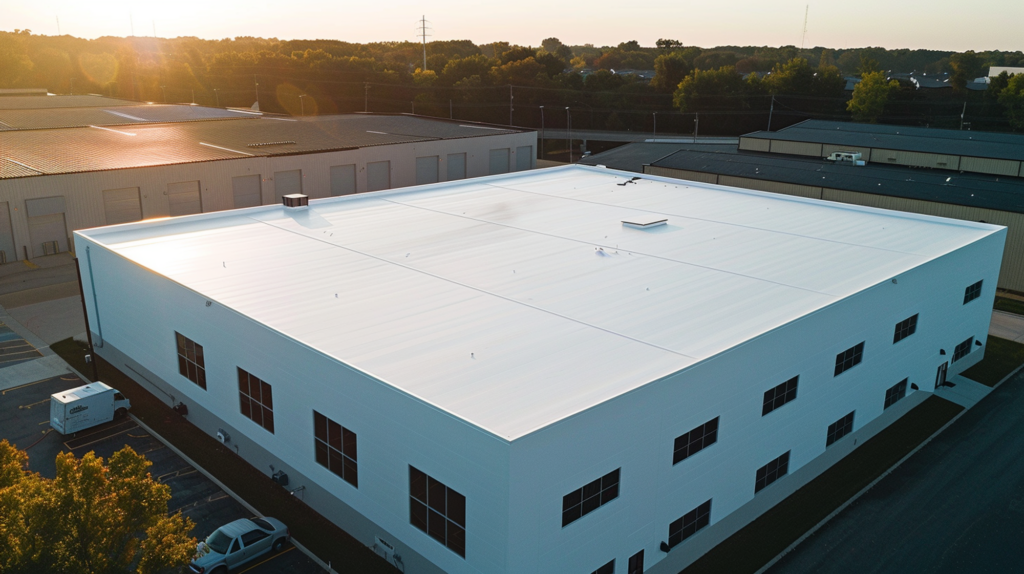
Commercial buildings commonly use flat or low-slope roofing systems because these designs can accommodate large roof areas, mechanical equipment, drainage components, penetrations, and other building systems.
A commercial roof should be evaluated as a complete assembly. The visible membrane may provide the primary weather-resistant surface, but its performance also depends on the condition and design of the components beneath and around it.
Depending on the project, a commercial roof assembly may include:
- roof deck
- vapor-control components where applicable
- roof insulation
- cover board
- roofing membrane or multi-layer roofing system
- flashing
- drains and other drainage details
- parapets and perimeter details
- roof penetrations
- rooftop HVAC and mechanical equipment
Read More – Expert Commercial Roofing Services in Wellesley
Commercial Emergency Roof Repair
Common Commercial Flat Roofing Systems
PVC Roofing
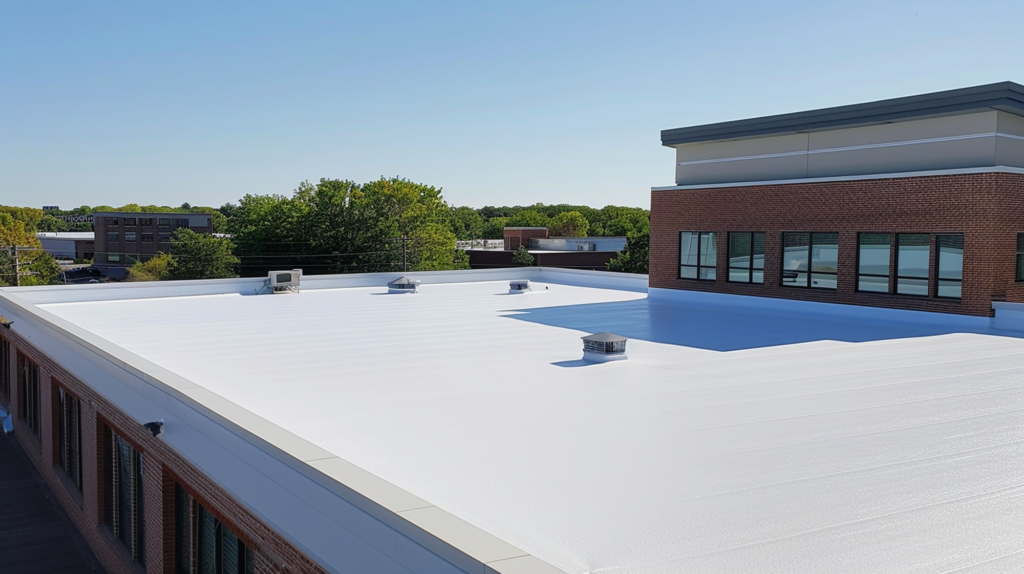
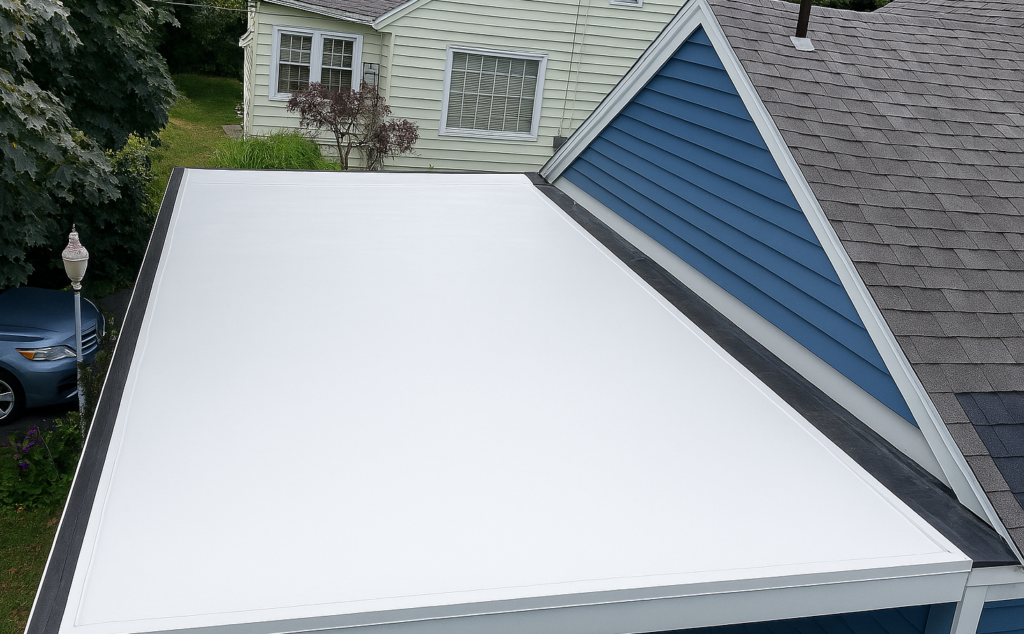
PVC is a thermoplastic single-ply roofing membrane commonly used on commercial flat and low-slope roofs. Sections of membrane are joined with heat-welded seams, creating a continuous roofing surface when the system is properly installed.
PVC may be considered for commercial properties where membrane durability, welded seams, reflectivity, and compatibility with specific building conditions are important project factors.
Project design should also account for flashing, penetrations, drains, rooftop equipment, insulation, attachment method, and the existing roof assembly.
TPO Roofing
TPO is another thermoplastic single-ply membrane used on commercial flat roofs. Like PVC, TPO systems typically use heat-welded membrane seams.
The appropriate membrane specification and installation method depend on the project, manufacturer requirements, substrate, roof configuration, and other components of the roofing assembly.
When evaluating an existing TPO roof, contractors may examine seams, flashing, punctures, penetrations, drains, previous repairs, and the condition of surrounding membrane areas.
EPDM and Rubber Roofing
EPDM is a synthetic rubber roofing membrane used on many flat and low-slope commercial buildings. Its installation and repair methods differ from thermoplastic systems such as PVC and TPO.
Existing EPDM roofs may develop problems around seams, flashing, penetrations, drains, previous repairs, or areas affected by membrane shrinkage or physical damage.
Repairs should use materials and methods compatible with the existing EPDM system and should account for the condition of the surrounding membrane.
Modified Bitumen and Built-Up Roofing
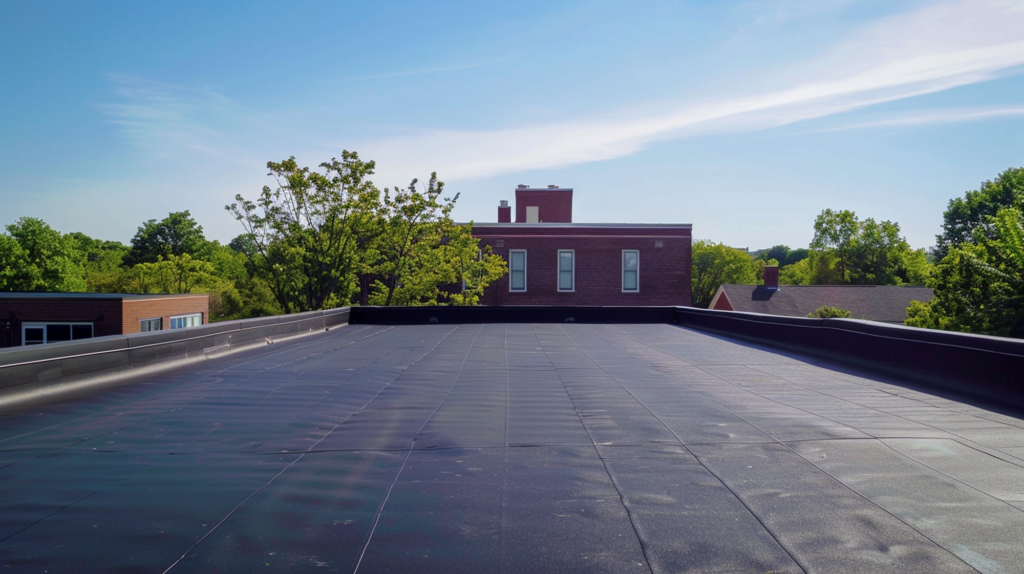
Modified bitumen and built-up roofing (BUR) are multi-layer or asphalt-based systems that differ from single-ply membranes.
Modified bitumen roofs can use different membrane compositions and installation methods. Existing systems may require evaluation for cracks, failed seams, blisters, flashing deterioration, surface wear, and other localized conditions.
Built-up roofing systems use multiple roofing layers and surfacing. The repair or replacement approach depends on the condition of those layers, insulation, flashing, drainage, and the underlying roof assembly.
Factors to Consider When Choosing a Commercial Roofing System
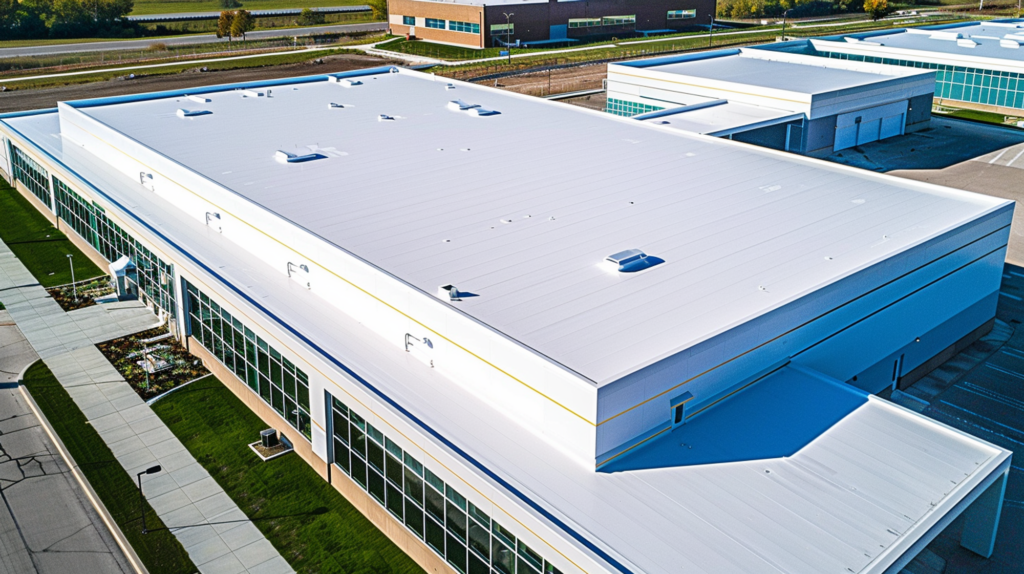
There is no single commercial roofing system that is automatically the best choice for every property. Selection should follow an evaluation of the building, existing roof assembly, project goals, and long-term requirements.
Building Type and Use
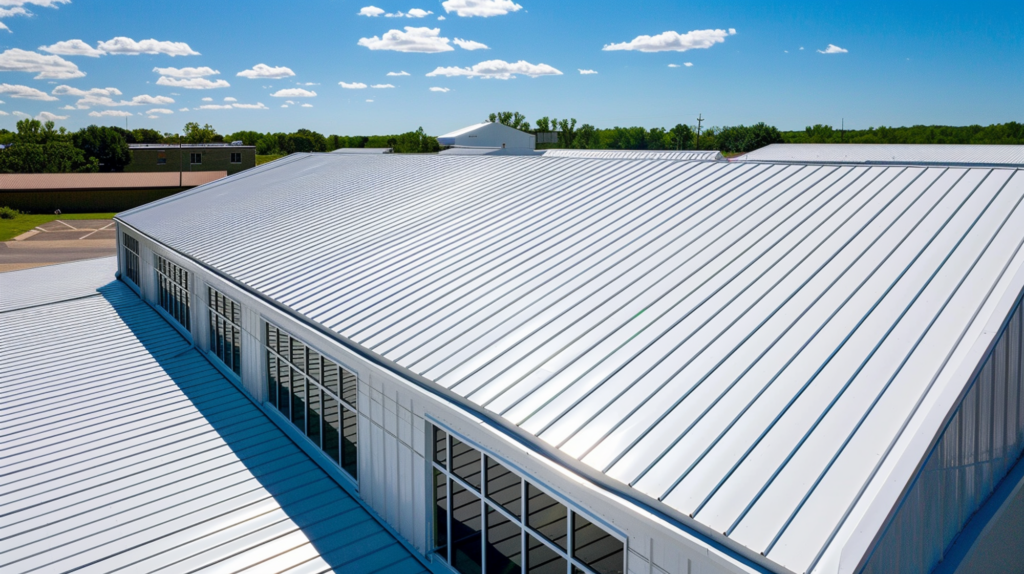
The way a building is used can affect roofing-system requirements. Warehouses, offices, multifamily properties, retail buildings, institutional facilities, and other commercial structures may have different roof layouts, access conditions, mechanical equipment, penetrations, interior uses, and operational requirements.
A roof serving a building with extensive HVAC equipment may require different detailing and access planning from a relatively open warehouse roof. Buildings that must remain occupied during roofing work can also require additional project coordination.
Existing Roof Condition
For replacement and restoration projects, the condition of the existing roof can substantially affect the scope.
Contractors may need to evaluate existing roofing layers, insulation, previous repairs, drainage, flashing, penetrations, roof deck conditions, and evidence of trapped moisture before determining the appropriate project approach.
Climate and Weather Conditions
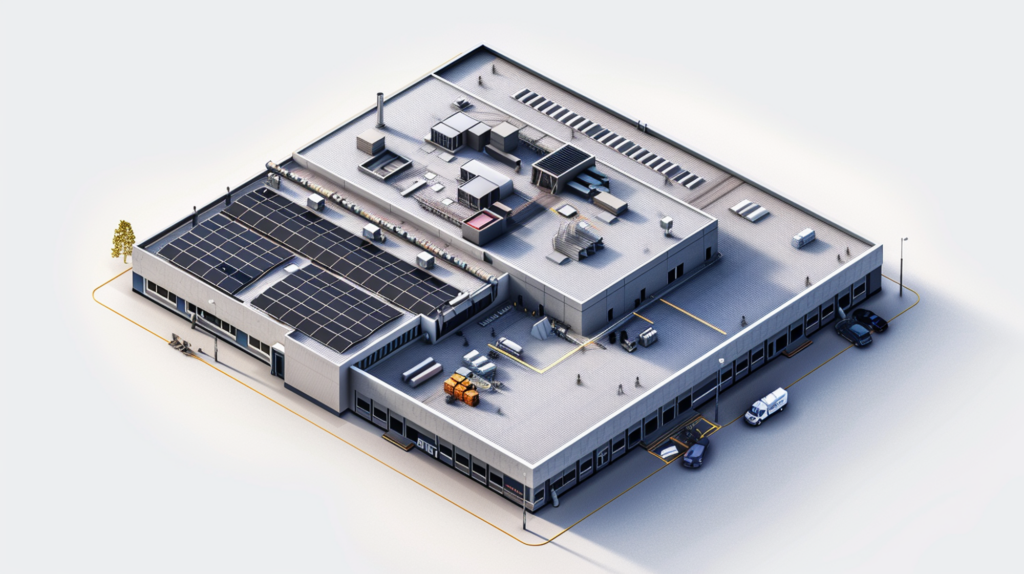
Massachusetts commercial roofs may be exposed to rain, snow, freeze-thaw conditions, wind, summer heat, and seasonal temperature changes.
The roofing system, insulation, drainage design, attachment method, flashing, and perimeter details should be considered together when planning for local weather exposure.
Rooftop Equipment and Penetrations
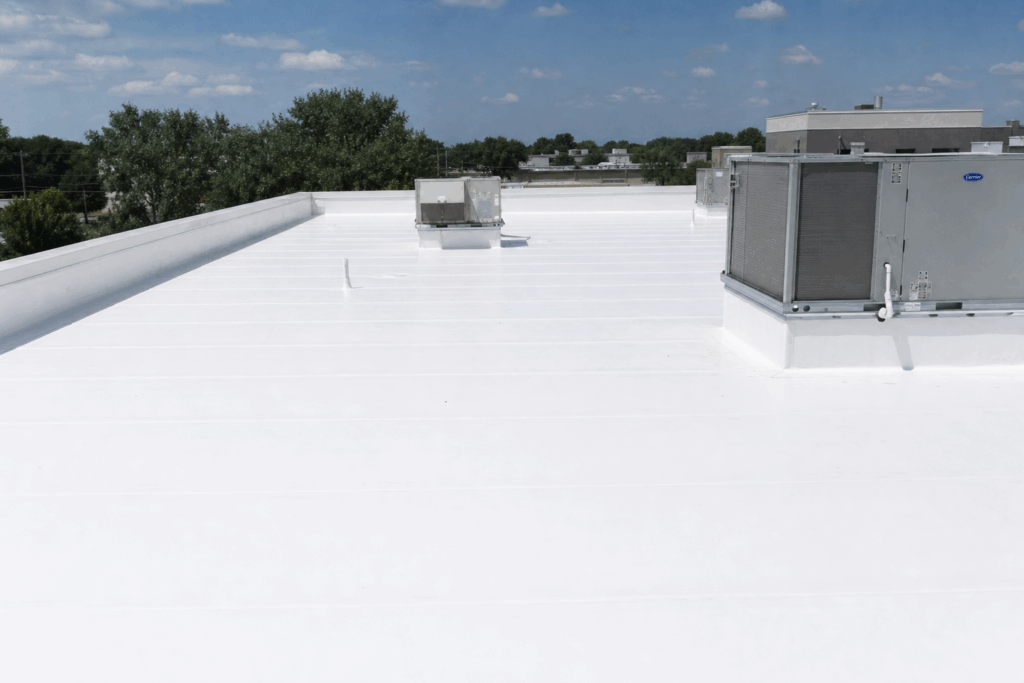
Commercial roofs frequently contain HVAC units, vents, pipes, curbs, drains, electrical equipment, supports, and other penetrations.
These details can influence both system selection and future maintenance because many roof problems develop at transitions, penetrations, flashing, and areas where other building systems interact with the roofing membrane.
Budget and Project Scope

Roofing-system cost should be considered together with the complete scope of the project. Two proposals using a similar membrane can still differ because they include different insulation, cover boards, drainage work, flashing, penetrations, removal requirements, deck repairs, access conditions, or other project components.
When comparing proposals, evaluate what is included rather than comparing membrane price or total project price alone.
Insulation, Cover Boards and the Complete Roof Assembly
Commercial roofing performance is not determined by the membrane alone. Components beneath the membrane can affect thermal performance, drainage, attachment, durability, and the final project scope.
Roof Insulation
Commercial roof insulation may form an important part of the roofing assembly. Existing insulation should be evaluated when there is evidence of moisture, deterioration, compression, or other conditions that could affect the new or repaired roof.
Cover Boards
A cover board may be included between insulation and the roofing membrane depending on the selected system and project requirements. Its role and specification should be considered as part of the complete roof design rather than as an isolated material choice.
Roof Deck
The roof deck supports the roofing assembly. During replacement work, damaged or deteriorated deck areas may need additional evaluation and repair before the new roofing system can be completed.
Commercial Flat Roof Drainage
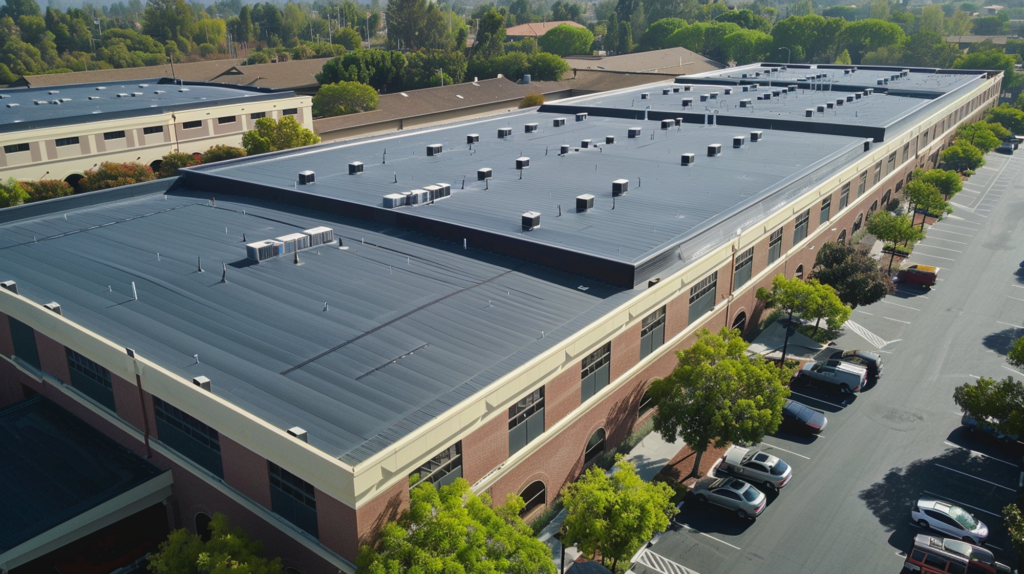
Drainage is a critical part of a commercial flat roofing system. Roof drains, scuppers, gutters, downspouts, roof slope, and surrounding membrane details work together to move water away from the roof.
Blocked drains, damaged drain details, inadequate slope, or changes to rooftop conditions can contribute to localized ponding and other roofing problems.
When a commercial roof is being replaced, drainage conditions should be reviewed as part of the project scope rather than treating the membrane as an independent component.
How Maintenance Fits Into Commercial Roofing
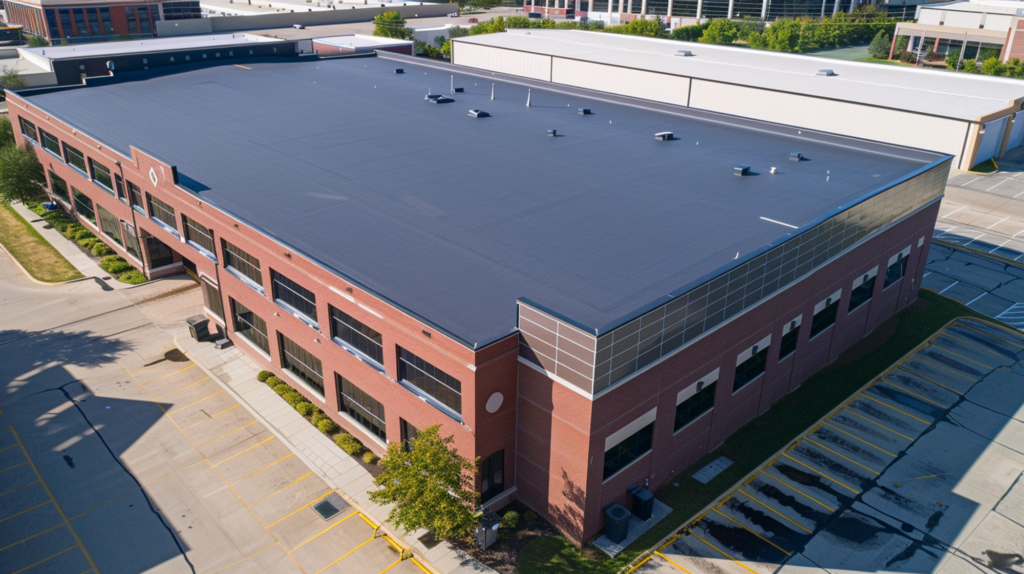
Maintenance can help property owners track changes in the roof and identify problems around membrane seams, flashing, drains, penetrations, rooftop equipment, and previous repairs.
Inspection frequency should reflect the roof system, roof age, building use, previous repair history, manufacturer requirements, and exposure to severe weather rather than relying on one universal schedule for every property.
Inspection reports, photographs, previous repair information, roof plans, and warranty documents can also create a useful maintenance history for future roofing decisions.
For a more detailed discussion of preventive care, see our Commercial Roof Maintenance Guide.
Repair vs. Replacement
A problem with a commercial roofing system does not automatically require complete replacement. Localized damage may be repairable when the surrounding roofing system remains serviceable.
A larger project may need to be considered when deterioration is widespread, leaks repeatedly return, numerous previous repairs are failing, insulation or decking is affected, or the overall roof condition no longer supports continued localized repair.
The decision should follow an inspection of the actual roofing system and project conditions.
For more detail about how commercial roof repairs are evaluated and documented, see our Commercial Roof Repair Service Guide.
Questions to Ask Before Selecting a Commercial Roofing System
- What roofing system is currently installed?
- What is the condition of the existing membrane and flashing?
- Is existing insulation wet or damaged?
- What condition is the roof deck in?
- How does the roof currently drain?
- What rooftop equipment and penetrations must be incorporated into the project?
- Will existing roofing layers remain or be removed?
- What attachment method is proposed?
- What flashing and perimeter work is included?
- What project-specific warranty terms apply?
- What inspection or maintenance requirements apply after completion?
The Roofing System and Contractor Scope Should Match

Once a roofing system or repair approach is being considered, the written contractor scope should explain how that system will be applied to the specific building.
The proposal should identify relevant materials, roof areas, flashing, penetrations, drainage details, exclusions, unforeseen-condition procedures, and applicable warranty terms.
For a separate checklist on finding and comparing contractors, see How to Find a Commercial Roofing Company Near You in Massachusetts.
For actual commercial repair, replacement, installation, inspection, or maintenance services, visit our Commercial Roofing Services in Massachusetts page.
Latest Insights from Roofers: Cutting-Edge Trends and Expert Opinions
Summary
Commercial roofing system selection should begin with the building and existing roof conditions rather than with a material name alone. PVC, TPO, EPDM, modified bitumen, and built-up roofing systems each have different characteristics, installation methods, and repair considerations.
The complete project should also account for insulation, cover boards, flashing, penetrations, drainage, rooftop equipment, roof deck conditions, access requirements, maintenance, and the intended project scope.
For planned commercial roofing work in Massachusetts, use our Commercial Roofing Services page. If a commercial property has an active leak requiring urgent attention, use our Commercial Emergency Roof Repair page.
Frequently Asked Questions
Common commercial flat and low-slope roofing systems include PVC, TPO, EPDM, modified bitumen, and built-up roofing. The appropriate system depends on the building, existing roof assembly, drainage, rooftop equipment, project conditions, and long-term requirements.
Compare the existing roof, building use, project scope, membrane compatibility, flashing and penetration requirements, drainage, installation method, manufacturer requirements, maintenance needs, and budget. No single membrane is automatically the best choice for every commercial property.
No. A commercial roof assembly can also include the roof deck, insulation, cover board, flashing, drains, perimeter details, penetrations, attachment components, and other project-specific layers or details.
Sometimes. Localized damage may be repairable when the surrounding roofing system remains serviceable. Widespread deterioration, recurring leaks, damaged insulation or decking, or numerous failing previous repairs may require a larger project.
Drainage components move water away from the roof. Roof slope, drains, scuppers, gutters, downspouts, membrane details, and surrounding conditions can all affect drainage performance and should be evaluated as part of the roofing system.

Denis is the driving force behind ID Flat Roof, a leading company in Boston specializing in flat roof repair and installation for over 20 years.
Expertise:
Denis excels in PVC, TPO, EPDM, and rubber roofing. His meticulous approach ensures quality and customer satisfaction.
Innovation:
Denis incorporates cutting-edge solutions like skylights and solar PV roofing.