




How to Find a Commercial Roofing Company Near You in Massachusetts
Reading Time: 7 minutesFinding a commercial roofing company near you is not only about choosing the closest contractor. Commercial flat and low-slope roofs require experience with membrane systems, drainage, rooftop equipment, penetrations, occupied buildings, and project-specific access conditions.
For property owners and managers in Massachusetts, the goal is to find a roofing contractor that works with the type of roof on your building, can clearly document the proposed scope, and can explain how repairs, replacement, or maintenance will be handled.
This guide explains how to find, verify, and compare commercial roofing companies in your area before requesting a proposal.
Key Takeaways
- Look for experience with commercial flat and low-slope roofing systems rather than general roofing experience alone.
- Verify insurance, applicable licensing or registration requirements, references, and relevant project experience.
- Make sure the contractor works with your existing roofing system, such as PVC, TPO, EPDM, modified bitumen, or built-up roofing.
- Compare written scopes of work, materials, exclusions, warranty terms, and procedures for unforeseen conditions instead of comparing price alone.
- For an active commercial leak, use an emergency roofing service rather than waiting for a routine project estimate.
How to Find a Commercial Roofing Company Near You
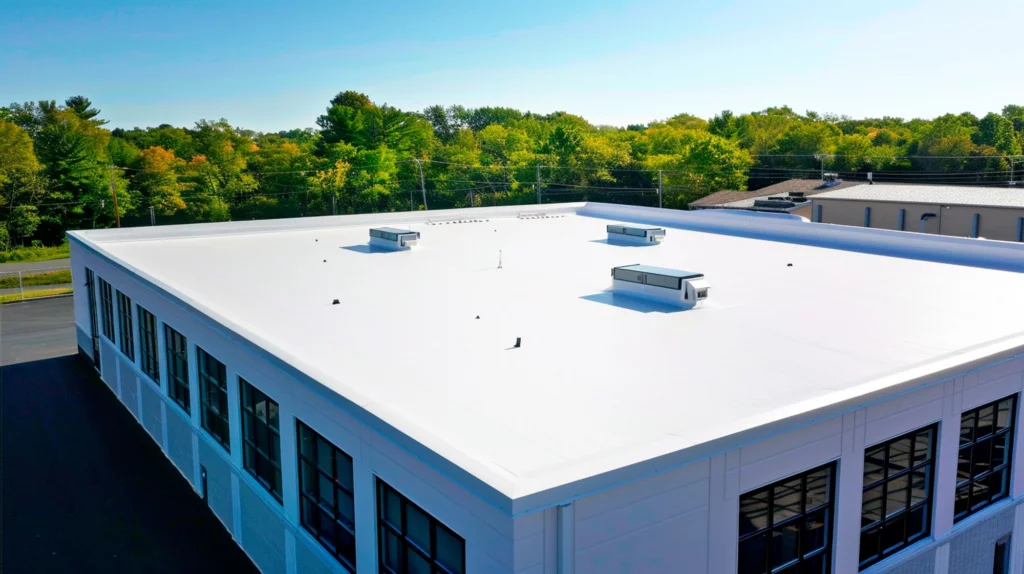
Start by identifying contractors that specifically work with commercial flat and low-slope roofing systems in your part of Massachusetts. A company may serve multiple cities and towns, so physical distance alone does not determine whether your property is within its service area.
Before contacting a contractor, gather basic information about your property when possible:
- building location
- commercial property type
- approximate roof size
- known roofing material or membrane type
- approximate roof age if known
- location and history of leaks or previous repairs
- rooftop HVAC units, drains, penetrations, or other equipment
- whether the project is routine or requires urgent attention
This information helps a roofing company understand the initial scope before an inspection is scheduled.
For planned commercial roofing services in Massachusetts, see our Commercial Roofing Services page.
Look for Commercial Flat Roof Specialization
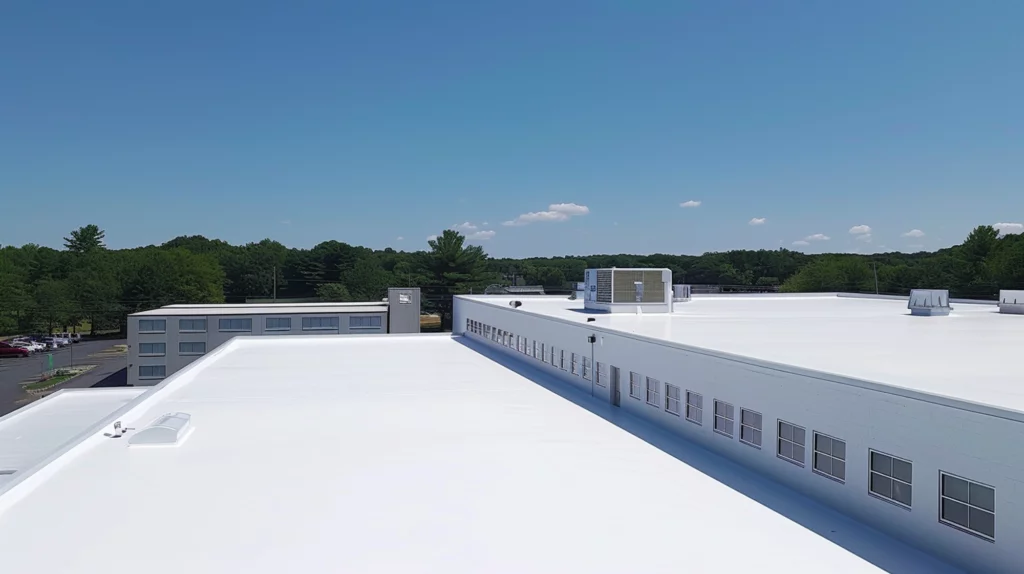
Commercial roofing can be very different from residential roofing. Large flat and low-slope roofs may include extensive membrane areas, multiple drains, rooftop mechanical equipment, penetrations, parapet walls, flashing details, and areas that are difficult to access.
A contractor evaluating a commercial roof should understand how these components work together and how a problem in one area can affect another part of the roofing system.
Roofing Systems the Contractor Should Recognize
The appropriate repair or replacement method depends on the existing roofing system. Common commercial flat roofing systems include:
- PVC roofing
- TPO roofing
- EPDM and rubber roofing
- Modified bitumen roofing
- Built-up roofing systems
Ask whether the contractor regularly works with the existing system on your building. Compatible materials and repair methods are especially important when repairing seams, flashing, penetrations, drains, and previous repair areas.
What to Check Before Hiring a Commercial Roofing Company
A contractor should be evaluated on more than marketing claims or the lowest initial estimate. Before moving forward, review the company’s relevant experience and how clearly it explains the proposed work.
Relevant Commercial Roofing Experience
Ask about experience with projects similar to your property and roofing system. A contractor that regularly works with commercial flat roofs should be able to explain common failure points, inspection procedures, repair options, and when a larger replacement project may be more appropriate.
Insurance and Applicable Requirements
Verify that the contractor carries appropriate insurance for the work being performed. Depending on the project, property type, location, and scope, additional licensing, registration, permitting, or manufacturer requirements may also apply.
Property owners should confirm the requirements that apply to their specific project rather than assuming that every roofing project is governed by the same credentials.
References, Reviews, and Previous Projects

Reviews can provide useful information about communication, scheduling, professionalism, and completed work, but they should be considered together with relevant project experience.
For a larger commercial project, ask whether the contractor can provide examples or references from comparable commercial properties.
Show customer reviews
How to Compare Commercial Roofing Proposals
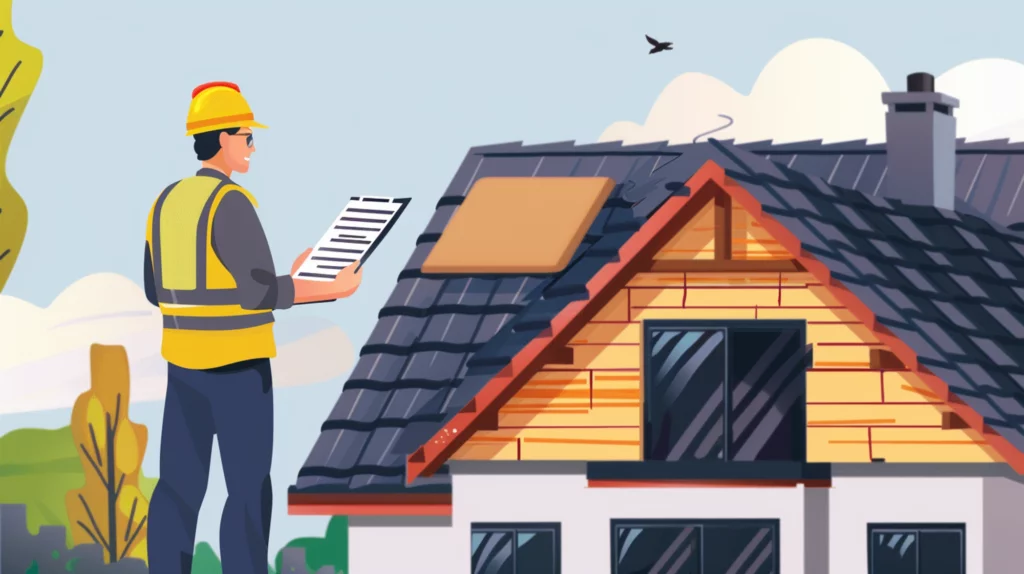
Two roofing proposals can have very different prices because they may not include the same scope of work. Before comparing totals, make sure you understand what each contractor is actually proposing.
A useful commercial roofing proposal should address:
- the roof area or problem being addressed
- the existing roofing system
- recommended repair or replacement method
- materials included in the scope
- flashing, drains, penetrations, and rooftop details where applicable
- work that is specifically excluded
- project access and operational considerations
- how unforeseen conditions will be handled
- applicable project-specific warranty terms
- documentation expected after completion
Comparing proposals on the same scope makes it easier to understand whether a price difference comes from labor rates or from one contractor including work that another proposal does not address.
How to Review Roofing Warranty Terms

Do not evaluate a proposal based only on the number of years written next to the word warranty. Commercial roofing projects may involve different forms of manufacturer coverage, workmanship coverage, repair-specific terms, exclusions, and maintenance requirements.
Before approving a project, ask which warranty applies to the proposed work, who provides it, what it covers, what it excludes, and whether inspections or maintenance are required to keep the coverage in effect.
Repair, Replacement, or Further Investigation?
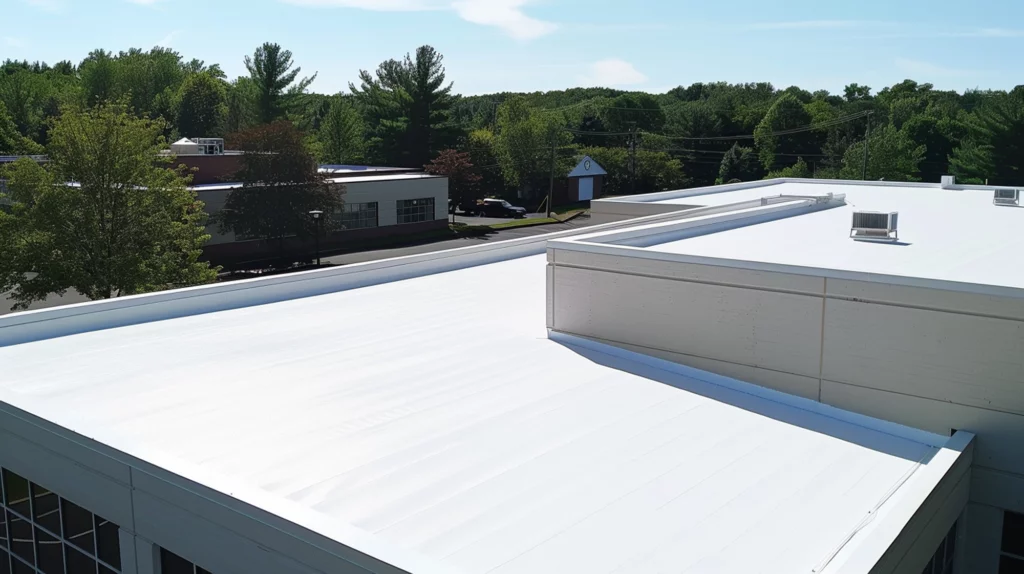
A localized problem does not automatically mean the entire commercial roof needs replacement. At the same time, repeatedly repairing isolated symptoms may not be practical when deterioration is widespread.
A contractor may need to consider:
- number and location of leaks
- condition of the surrounding membrane
- previous repair history
- condition of flashing and roof penetrations
- drainage conditions
- possible wet insulation or deck damage
- overall condition of the existing roofing system
The appropriate recommendation should follow the roof inspection and actual project conditions rather than a predetermined repair or replacement decision.
What About Commercial Roof Maintenance?
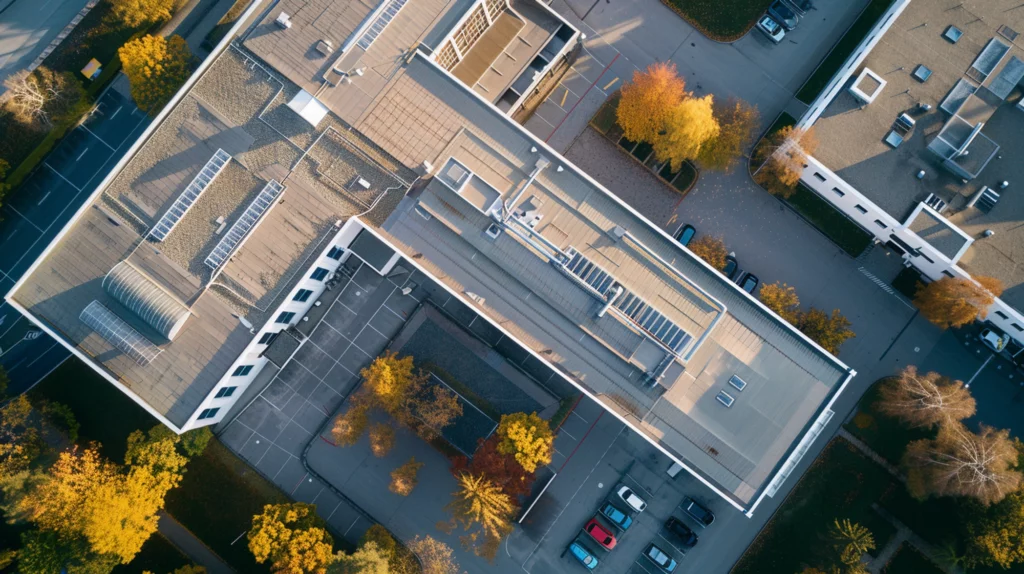
After a repair or replacement project, keeping records of inspections, photographs, completed work, and warranty information can make future roof management easier.
Inspection frequency should reflect the roof system, building use, age, previous repair history, manufacturer requirements, and exposure to severe weather. An additional inspection may also be appropriate after a significant storm, rooftop construction activity, or a newly reported leak.
Routine roof observations can help identify blocked drains, membrane damage, flashing problems, debris, and changes around rooftop equipment before they develop into larger issues.
When Is a Commercial Roofing Problem an Emergency?
A commercial roof problem may require urgent attention when water is actively entering the building, interior finishes or equipment are being affected, storm damage has exposed part of the roof assembly, or conditions are likely to worsen during ongoing weather.
Emergency work may initially focus on temporary leak control or stabilization. A permanent repair scope can then be determined after the roof and surrounding conditions can be properly evaluated.
For an active leak or urgent commercial roofing problem, visit our Commercial Emergency Roof Repair page.
Before You Contact a Commercial Roofing Company
Before requesting a commercial roofing proposal, prepare any information you already have about the building and roof. Previous inspection reports, repair records, photographs, warranty documents, leak history, and information about rooftop equipment can all help the contractor understand the project.
When speaking with a roofing company, ask what happens next: whether an inspection is required, what information will be documented, how the repair or replacement scope will be prepared, and when you should expect a written proposal.
If your property is in Massachusetts and you are ready to discuss an actual repair, replacement, inspection, or maintenance project, visit our Commercial Roofing Services in Massachusetts page.
Read More – Expert Commercial Roofing Services in Wellesley
Roof Snow & Ice Dam Removal
Summary
Finding a commercial roofing company near you starts with identifying contractors that work with commercial flat and low-slope roofs in your area. From there, compare relevant experience, insurance, applicable project requirements, roofing-system knowledge, references, written scopes, and project-specific warranty terms.
The closest contractor is not necessarily the best match for every commercial roof. The goal is to choose a company that understands your roofing system, clearly documents the proposed work, and can explain how the project will be managed from inspection through completion.
Frequently Asked Questions
Look for contractors that specifically work with commercial flat and low-slope roofs in your area. Compare relevant project experience, roofing systems, insurance, references, written proposals, and applicable project requirements rather than choosing based on distance or price alone.
Verify appropriate insurance, relevant commercial roofing experience, familiarity with your roofing system, references or comparable projects, the proposed scope of work, exclusions, and project-specific warranty terms. Confirm any licensing, registration, permitting, or manufacturer requirements that apply to the specific project.
Relevant experience is important because PVC, TPO, EPDM, modified bitumen, and built-up roofing systems can require different inspection, repair, flashing, seam, and material compatibility considerations.
A proposal should identify the roof area or problem being addressed, recommended scope, materials, relevant roof details, exclusions, how unforeseen conditions will be handled, and applicable project-specific warranty terms.
An active leak may require urgent attention, especially when water is entering occupied areas or affecting equipment or interior materials. Emergency work may first focus on temporary leak control or stabilization before a permanent repair scope is determined.

Denis is the driving force behind ID Flat Roof, a leading company in Boston specializing in flat roof repair and installation for 24+ years.
Expertise:
Denis excels in PVC, TPO, EPDM, and rubber roofing. His meticulous approach ensures quality and customer satisfaction.
Innovation:
Denis incorporates cutting-edge solutions like skylights and solar PV roofing.